Thinking about leaving behind a larger home without giving up character, convenience, or connection? If that sounds like you, Morristown’s Historic District deserves a closer look. For many downsizers, the appeal is not just a smaller home. It is the chance to simplify daily life while staying close to dining, culture, transit, and the kind of architecture that makes a place feel established and memorable. Let’s dive in.
Why Morristown works for downsizers
Morristown offers something many suburban moves do not. You can scale down your space without feeling like you are stepping away from activity or identity. The town is the county seat of Morris County and a state-designated regional center, and NJDOT lists Morristown as a Transit Village.
That matters because the downtown area is built for a more connected lifestyle. The Morristown Partnership describes the downtown special improvement district as roughly a one-mile radius around the Green, with a walkable mix of housing, dining, retail, fitness, entertainment, and cultural destinations. If you want to trade yard work for walkable errands and a more flexible routine, that setup can be a real advantage.
What makes the Historic District appealing
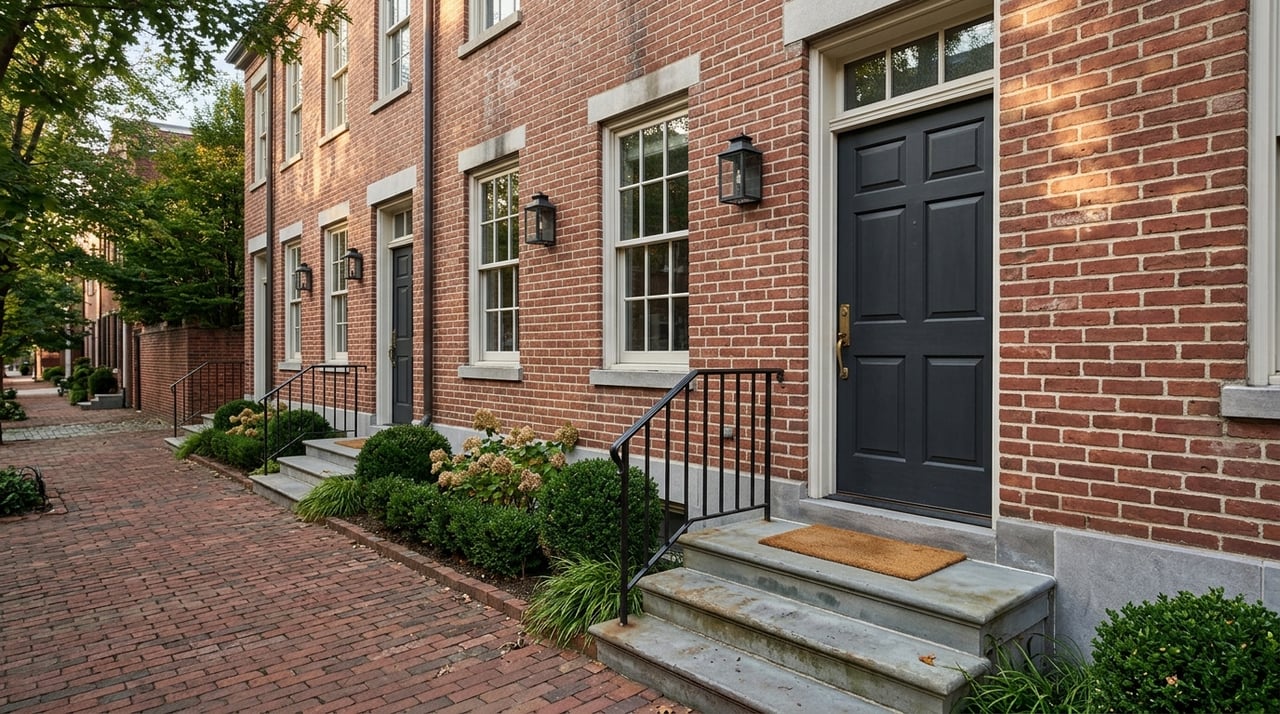
For many buyers, downsizing is not only about reducing maintenance. It is also about choosing a home that still feels meaningful. Morristown’s historic core stands out because it combines older architecture, active streets, and a strong sense of place.
The National Park Service lists the Morristown District on the National Register of Historic Places, and Morristown National Historical Park helps preserve the area’s Revolutionary War story. That historic backdrop gives the district a character that newer developments often cannot replicate. Seasonal features like the Morristown Farmers Market also reinforce the area’s civic life and community rhythm.
Walkability changes daily life
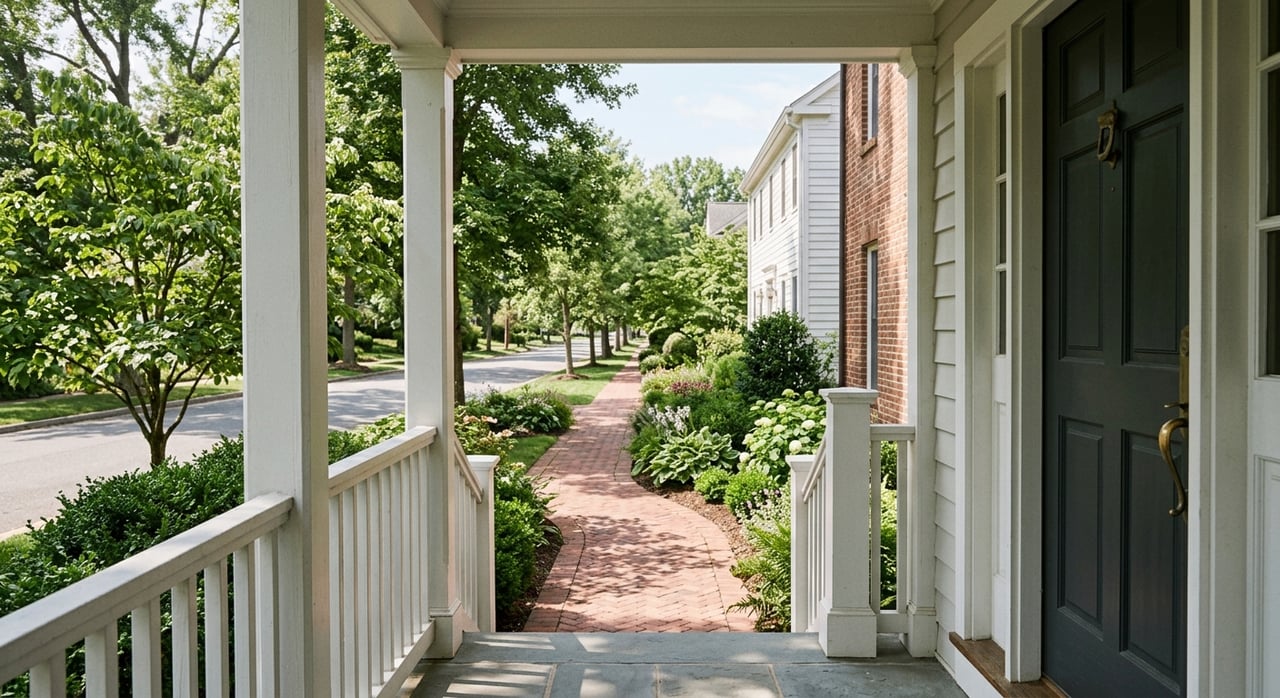
One of the biggest lifestyle shifts in a downsizing move is how you spend your time. In a walkable downtown, you may rely less on your car for short trips and everyday activities. That can make life feel easier and more spontaneous.
Official Morristown materials highlight a compact core with restaurants, shops, wellness studios, and cultural attractions near the Green. The arts presence also includes public art and walking tours. If your goal is to stay active and connected without managing a larger property, this kind of environment can be a strong fit.
Smaller homes, different priorities
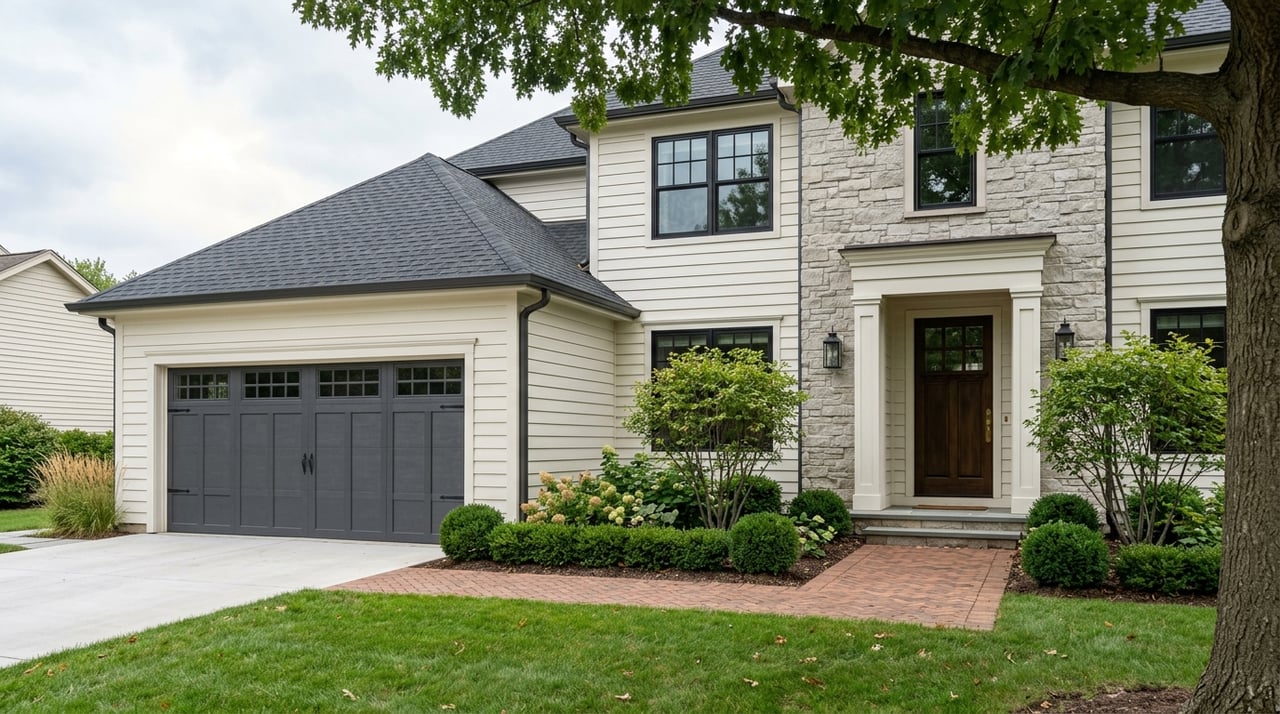
When you downsize in Morristown, the conversation usually shifts from total square footage to smart layout. Downtown options can include condos, townhomes, and rentals, according to the Morristown Partnership. Those housing types often appeal to homeowners who want less exterior upkeep and a more central location.
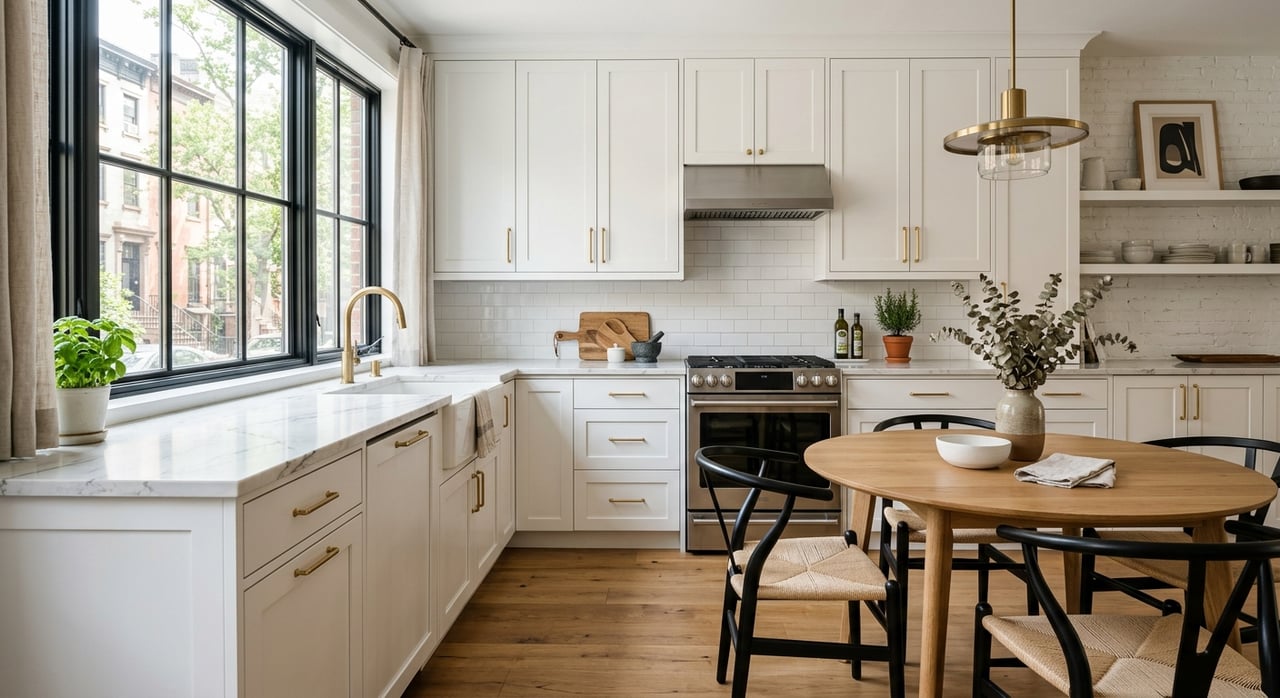
That means your decision may come down to how the home lives day to day. A well-designed smaller home with practical storage, parking, and an efficient floor plan can feel more functional than a larger home with rooms you rarely use. For many downsizers, usable space matters more than extra space.
Focus on function, not just size
As you compare homes, it helps to look beyond the numbers on the listing sheet. A smaller home can still support your lifestyle if the layout is efficient and your key needs are covered.
Consider practical details like:
- Storage space
- Main-level living potential
- Stair or elevator access
- Assigned parking
- Guest parking
- Outdoor space requirements
- Monthly association costs
These details often shape long-term comfort more than raw square footage alone.
Transit and parking are major advantages
Morristown stands out because downtown convenience does not necessarily mean giving up flexibility. NJ TRANSIT says Morristown Station is on the Morris & Essex line and offers accessible station features, Wi-Fi, and bike racks or lockers. For buyers who want options for commuting or regional travel, that can be a meaningful benefit.
Parking is another practical piece of the puzzle. The Morristown Partnership says the Morristown Parking Authority manages more than 3,600 public parking spaces downtown, with more than 3,000 covered spaces at Headquarters Plaza and more than 500 station parking spaces. For downsizers who still expect to drive, host guests, or maintain a car-light lifestyle without going car-free, that parking supply can make downtown living more workable.
What to know about historic-district ownership
Buying in or near Morristown’s historic core comes with benefits, but it also comes with rules. If you are drawn to the charm of an older building or a home within a preserved streetscape, it is important to understand that exterior changes may face additional review.
Morristown’s design guidelines say a historic property’s character should be retained and preserved. They also say deteriorated historic features should be repaired rather than replaced where possible, and new additions or exterior alterations should be compatible with the historic building while still reading as new work. In addition, the town has an advisory Historic Preservation Commission that reviews design applications and helps answer preservation questions.
Exterior changes may take more planning
If you are considering updates after closing, confirm early whether the property is inside a regulated historic area. That is especially important if you are thinking about:
- Window replacement
- Roof changes
- Exterior additions
- Visible exterior alterations
- Signage
- Demolition plans
Morristown’s code framework includes district, building, frontage, and design standards, and town planning materials note a 2019 demolition ordinance intended to help preserve historic resources. In practical terms, the process may require more planning, but many buyers see that as part of what protects the district’s long-term appeal.
The tradeoff can be worth it
Historic-district living is usually a balance. You may have fewer opportunities for quick exterior changes, but you gain a setting with lasting visual character and stronger streetscape continuity. For many downsizers, that is a positive trade.
If you are moving from a large suburban property, a townhouse or condo in a historic setting can offer a very different experience from a newer, more generic development. The appeal is often about more than the home itself. It is also about being part of a place that feels established, walkable, and distinct.
Selling first can shape the whole move
Most successful downsizing plans start with a clear strategy for the home you are leaving. If you are selling a larger property, presentation matters because buyers need to see the home’s space and function clearly. Staging guidance from the National Association of Realtors emphasizes decluttering, depersonalizing, and avoiding oversized furniture that can make rooms feel smaller.
That advice is especially useful when you are selling a house that may have accumulated years of furniture, collections, and storage. The goal is not to erase the home’s personality. It is to help buyers picture how they would use the space.
A practical downsizing plan
A smooth move usually works best when you break it into manageable steps. That can help you reduce stress and make smarter decisions on both the sale and purchase side.
A simple planning sequence may look like this:
- Evaluate your current home’s market position.
- Identify what you want to keep in your next home.
- Separate must-haves from nice-to-haves.
- Review downtown housing types and monthly carrying costs.
- Confirm parking, storage, and accessibility needs.
- Check whether any target property falls in a historic review area.
- Prepare your current home for market with decluttering and staging guidance.
This kind of process can keep the move focused on lifestyle goals rather than just logistics.
Budget for the full monthly cost
When you move from a single-family home to a condo or townhome, your monthly cost structure may change. Condo or HOA dues are typically separate from your mortgage payment, and those fees can vary. That means you should review the full monthly picture before making an offer.
For many downsizers, this is a key part of comparing options. A home with a slightly higher price may still be workable if it offers better function, storage, or location. On the other hand, a lower purchase price with higher monthly dues may change your comfort level over time.
Downsizing in Morristown is about lifestyle
At its best, downsizing is not a step back. It is a chance to align your home with how you want to live now. In Morristown’s Historic District, that can mean less maintenance, better walkability, easier access to transit, and a home that feels connected to the town’s history and daily energy.
If you are weighing a move, it helps to think in terms of fit rather than just size. The right floor plan, the right location, and the right expectations around historic ownership can make a smaller home feel like a smart next chapter. For personalized guidance on selling your current home and finding the right fit in Morristown, connect with Margaret "Margy" DeFazio and Denise Flanagan of The DeFazio Flanagan Team.
FAQs
Is Morristown’s Historic District a good fit for downsizing?
- Yes. Morristown offers a compact, walkable downtown with housing, dining, shopping, cultural destinations, and transit access that can support a lower-maintenance lifestyle.
What types of smaller homes are available in downtown Morristown?
- Downtown Morristown includes condos, townhomes, apartments, and rentals, which can appeal to buyers who want less exterior maintenance and a more central location.
Does buying in Morristown’s historic area affect renovations?
- It can. Exterior changes in or near regulated historic areas may require additional review, so you should confirm the property’s status before planning visible updates.
Is downtown Morristown actually walkable for daily errands?
- Yes. Official town and partnership materials describe a compact downtown core around the Green with dining, retail, wellness, entertainment, and cultural options nearby.
What should downsizers budget for besides the mortgage in Morristown?
- If you buy a condo or similar property, you should also budget for condo or HOA dues, along with checking parking, storage, and accessibility features that affect daily living.
Why does parking matter when downsizing in downtown Morristown?
- Parking can shape convenience for you and your guests. Morristown has substantial public parking downtown, including covered spaces and station parking, which can make downtown living more practical.