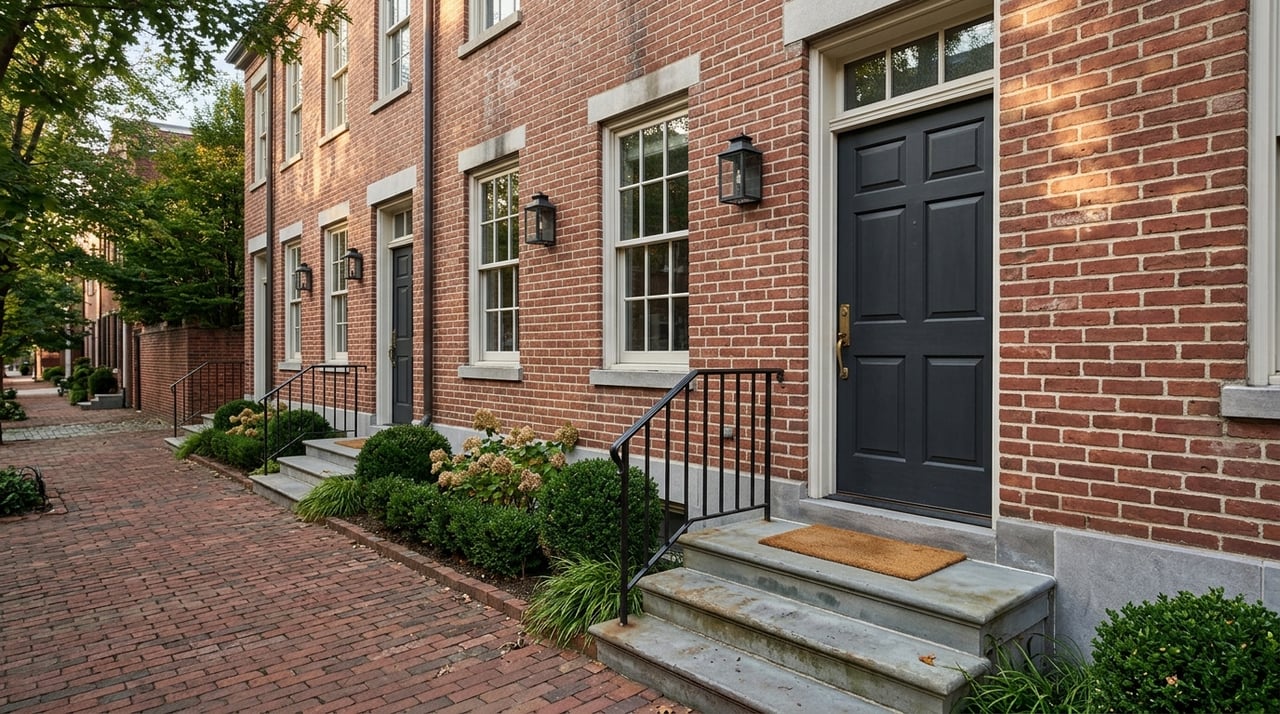
If you want a home that puts restaurants, the train, and the Morristown Green within easy reach, condo and townhome living in the Historic District deserves a closer look. This part of Morristown offers a lifestyle that feels more urban than suburban, but still rooted in a small, established downtown. If you are weighing convenience, character, and maintenance, this guide will help you understand what attached living here really looks like. Let’s dive in.
Why Morristown’s Historic District Feels Different
Morristown’s Historic District is not a themed streetscape or a single architectural style. The district was first created in 1973, expanded in 1985, and now includes more than 700 properties on the state and national registers. That long history still shapes how buildings are preserved and what changes may require review.
You can feel that mix as you move through downtown. The area includes older cottages, storefronts with apartments above, 1920s apartment buildings, later townhouses, and newer mixed-use redevelopment. Around the Green, many blocks still have 2- to 3-story historic buildings, which helps give the district its human-scale feel.
Morristown itself is compact at 2.8 square miles with about 18,000 residents. Its downtown centers on the historic Green, and the district includes many Victorian-era homes. For buyers, that means attached housing here is part of a living downtown fabric, not a stand-alone suburban complex.
What Condo Living Looks Like
Condo living near the Green often means a midrise building with shared amenities and a strong walk-to-everything location. One local example is 40 Park, a 73-unit condominium community with one- to three-bedroom residences, private secured parking, an on-site concierge, a club lounge, a fitness center, and elevator access. It is also described as being within walking distance of restaurants, shopping, the train station, and the theater district.
Another example is Vail Mansion, which includes 39 condominiums in a three-story, elevator-served midrise with two levels of parking and a direct link to the existing mansion. Projects like these show that condo living in downtown Morristown often combines lower exterior maintenance with building services and a central location.
For many buyers, that can be a practical trade. You may have less private outdoor space, but you can gain convenience, easier upkeep, and a more lock-and-leave lifestyle. If you spend a lot of time commuting, traveling, or enjoying downtown, that balance may feel worth it.
What Townhome Living Looks Like
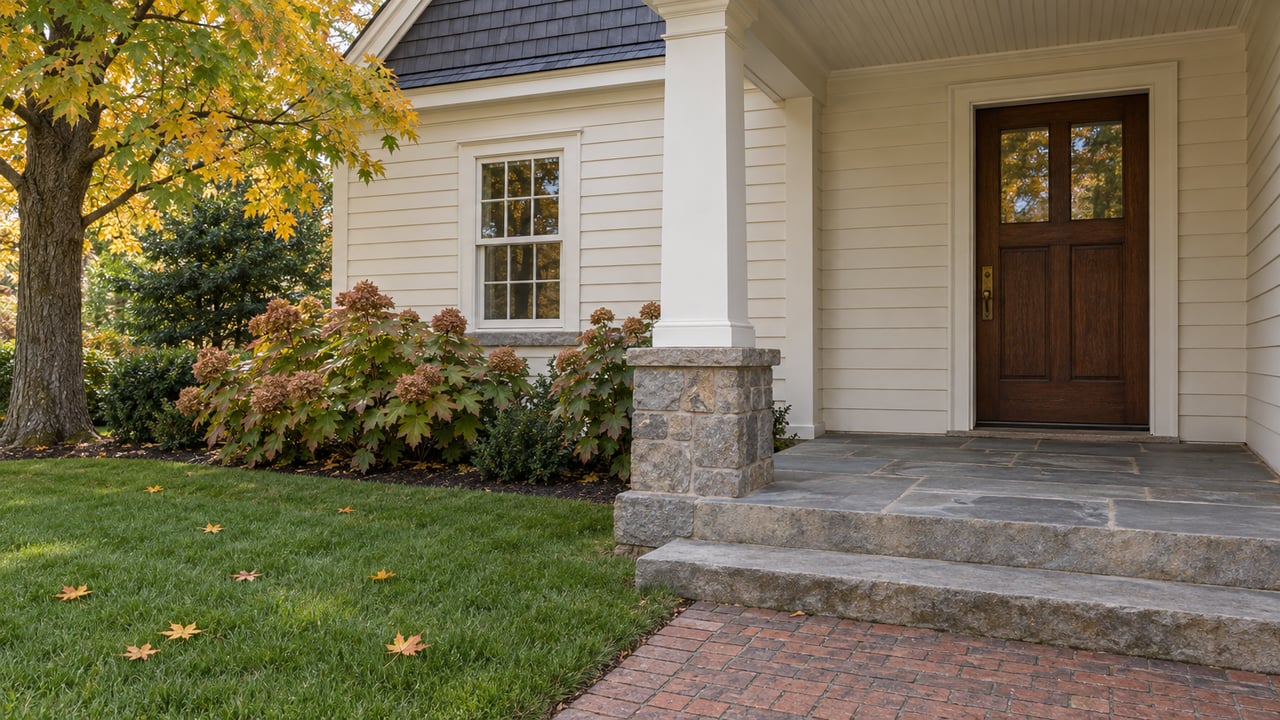
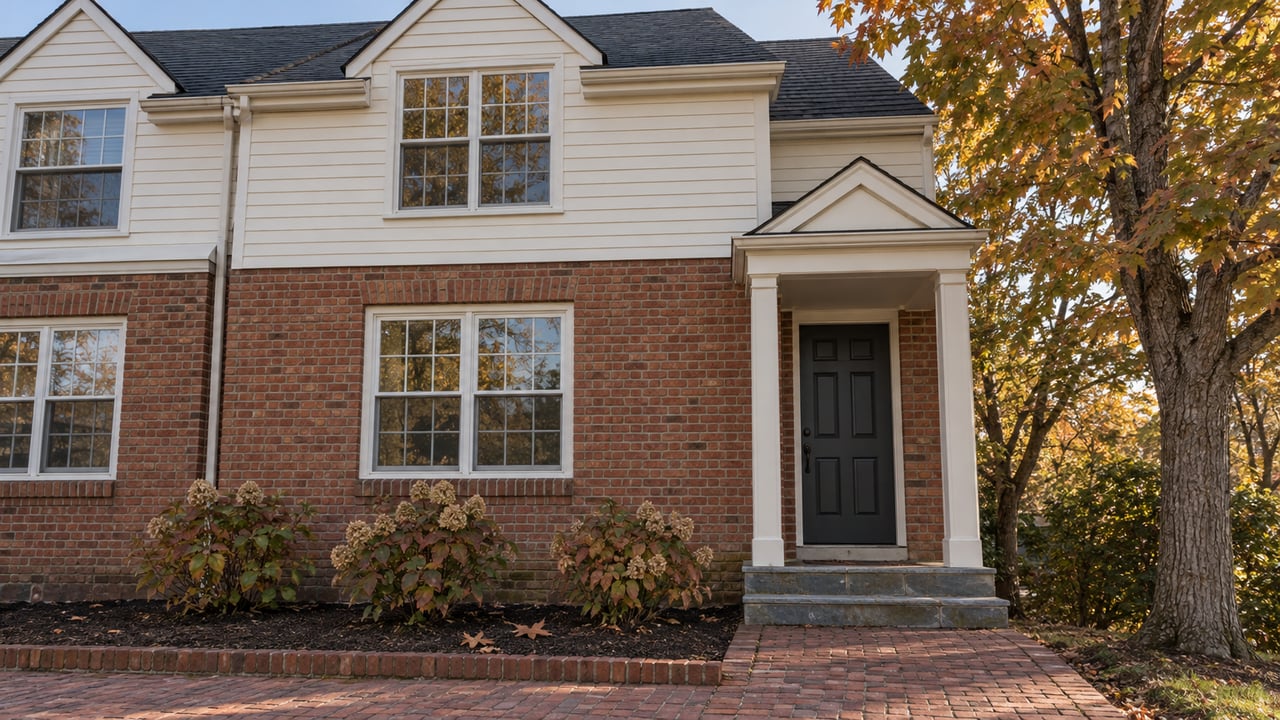
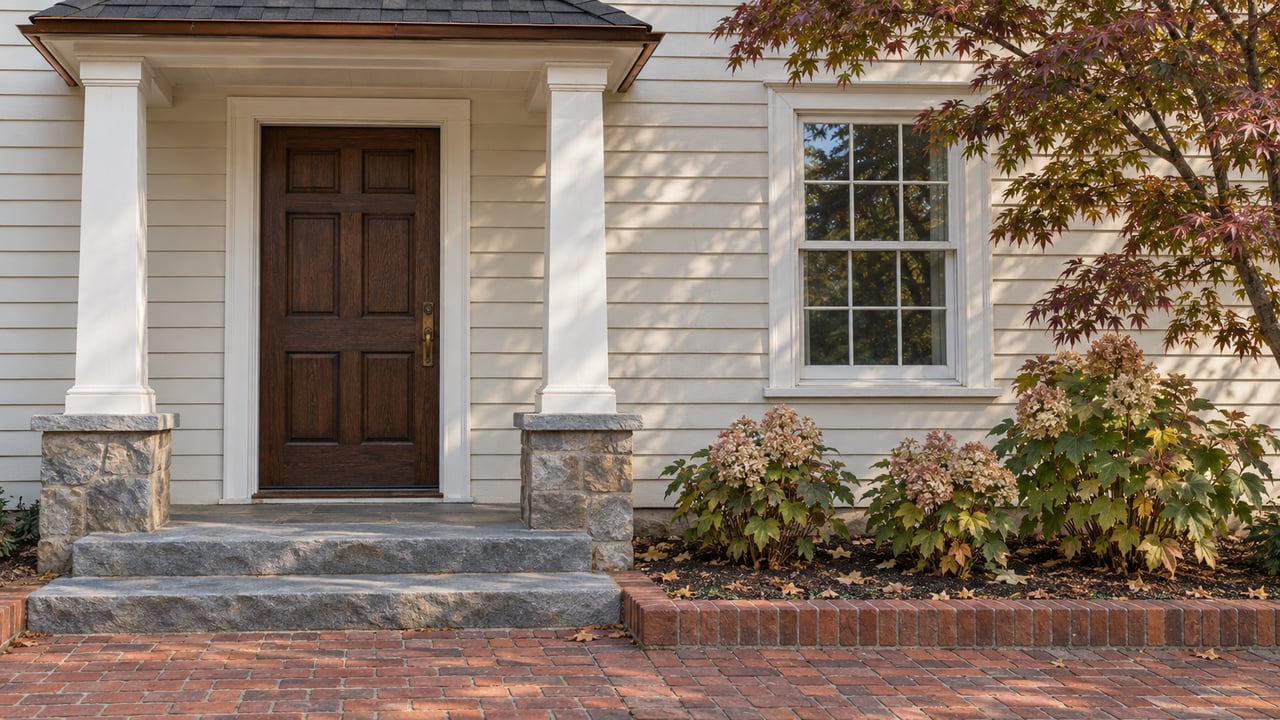
Townhomes in and around the district often feel more like a traditional house. A local example is The Lafayette at Morristown, described as eight three-story brick-and-limestone townhomes with three bedrooms, 4.5 baths, a large den, a roof deck, a landscaped rear yard, a private two-car garage, and a full-height basement.
That kind of layout appeals to buyers who want attached living without giving up too much private space. You may get multiple levels, more square footage, a garage, and outdoor areas that feel more personal than shared. In many cases, townhomes offer a middle ground between condo convenience and single-family function.
Morristown’s planning documents also support this house-like feel. The Morris Street Redevelopment Plan anticipates stacked townhomes and emphasizes human-scaled, street-oriented design with traditional entries and windows. That focus helps newer attached housing fit into the rhythm of the surrounding district.
Older Buildings vs. Newer Infill
One of the most important things to know is that attached housing in the Historic District is not one product type. You may see converted older buildings with less predictable floor plans, newer condos with more standardized layouts, or townhome projects with a more private footprint.
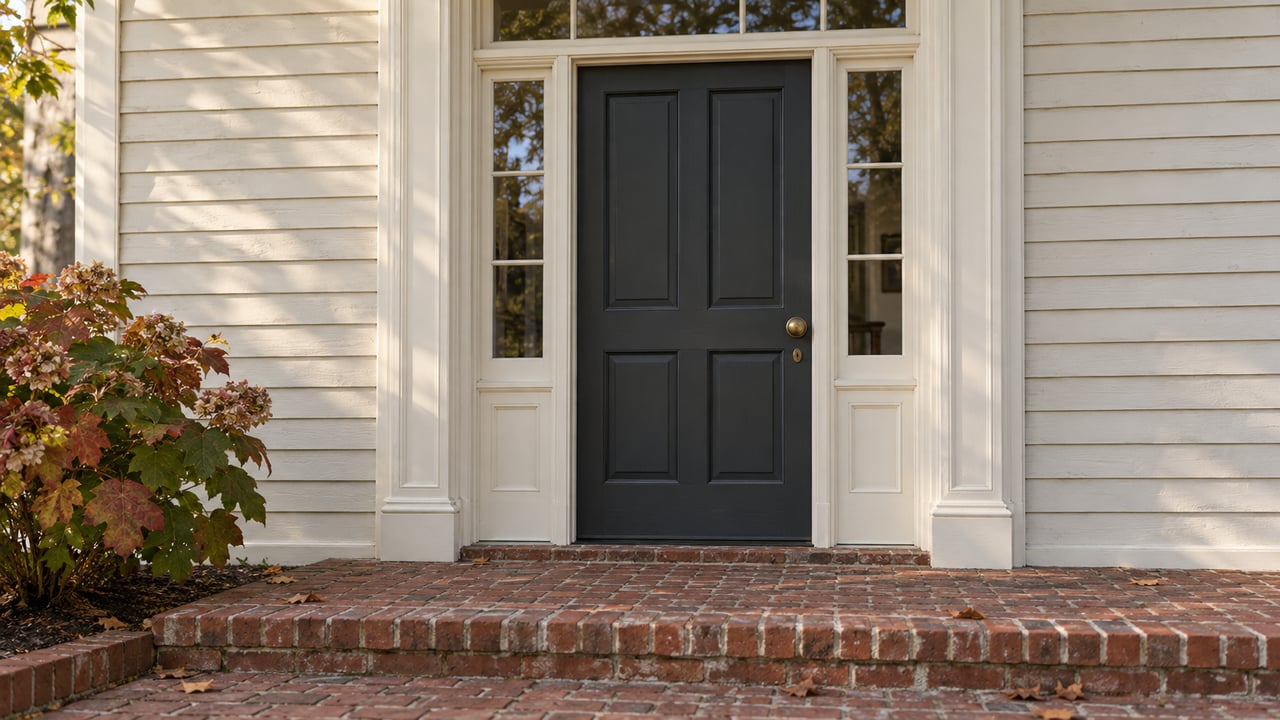
Older buildings can offer details and character that feel unique. At the same time, layouts may be less conventional, storage may vary, and building systems may differ from what you would find in newer construction. If charm matters most to you, that may be part of the appeal.
Newer infill condos and townhomes often lean more practical. You may find elevators, structured parking, fitness spaces, roof decks, or more modern room flow. If efficiency and ease are your top priorities, newer product may be a better fit.
Walkability Is a Major Draw
For many buyers, the lifestyle value starts with walkability. Morristown’s downtown is set up for everyday convenience, with housing, dining, retail, entertainment, and wellness uses clustered within and around the Green. The town notes that downtown includes 141 restaurants, 20 bars, 9 coffee shops, a 1,302-seat Community Theatre, and a 10-screen cinema.
That density matters when you are choosing attached housing. If your front door puts coffee, dinner, errands, and entertainment nearby, you may use your car less often than you would in a more spread-out suburb. That can make condo or townhome living feel simpler on a day-to-day basis.
The train station also adds to that appeal. Morristown Station sits on the Morris & Essex line and offers parking, accessibility features, Wi-Fi, and bike racks or lockers. NJ Transit notes service between Dover, Summit, and Gladstone and Newark Broad Street, Hoboken, and New York via connections.
Downtown destinations are close enough that the walk can be part of your routine. MPAC notes it is about 0.4 miles from the station, which gives you a useful benchmark for how compact the downtown core feels. If you want a home base with rail access and an active center, Morristown stands out.
Parking Can Shape Your Decision
Parking is one of the biggest practical differences between attached living in the Historic District and a more typical suburban home. Downtown Morristown has more than 3,500 public parking spaces, managed through the Morristown Parking Authority. That is a real asset, but it does not replace the need to understand your building or street setup.
If you are considering a condo, ask whether parking is deeded, assigned, shared, or handled through permits. If you are considering a townhome, confirm private garage details and how guest parking works. These details can affect convenience more than buyers expect.
Residential street permits also come with specific rules. They are street-specific, do not guarantee a space, can be issued up to three per dwelling unit, and expire on December 31. If you are used to a private driveway, it is smart to understand these local rules early in your search.
Historic Rules Matter for Owners
Living in a historic district can be rewarding, but it also comes with added responsibility. Morristown’s Historic Preservation Commission and demolition-delay rules continue to shape what can be altered in the district. That means exterior changes may not be as simple as they would be outside the district.
This is especially important if you are drawn to a historic building or a property with older architectural details. Before you buy, make sure you understand what types of exterior work may require review. That can include changes that affect visible historic character.
For many buyers, this is not a drawback so much as part of the value. The same protections that guide changes also help preserve the look and feel that make the district special. Still, it is best to go in with clear expectations.
Who This Lifestyle Fits Best
Condo and townhome living in Morristown’s Historic District tends to work well for buyers who value access and ease. If you want low-maintenance living, a walkable social life, and strong regional connections, this housing type may match your goals.
It can also appeal to downsizers who want to simplify without leaving a vibrant setting. Instead of maintaining a larger property, you may prefer a home that keeps you close to dining, events, and transit. In the right building or townhome, that can feel like a smart next chapter.
Morristown also benefits from broader connectivity. The town highlights its position near Midtown Direct rail, I-287, and NJ-24, which helps explain why downtown remains both a destination and a practical home base. If your life stretches beyond town lines, that access can be a major advantage.
Key Questions to Ask Before You Buy
Because product types vary so much, careful due diligence matters. A condo in a midrise near the Green will live very differently from a townhouse at the edge of the district or a unit in a converted historic structure.
Here are a few questions worth asking as you compare options:
- Is the parking deeded, assigned, shared, or permit-based?
- Does the building have an elevator, concierge, fitness space, or other shared amenities?
- If it is a townhome, what private outdoor space, garage access, and guest parking are included?
- Is the property in the historic district, and could exterior changes require review?
- Does the layout feel more traditional, more modern, or more unique because of a building conversion?
- How important is walk-to-train or walk-to-Green access for your daily routine?
The answers will help you focus on the right fit. In Morristown’s Historic District, lifestyle details often matter just as much as square footage.
Choosing between a condo and a townhome here is really about how you want to live. Some buyers want elevator access, shared amenities, and a true lock-and-leave setup. Others want more private space, a garage, and a home that feels closer to a brownstone or compact house.
Either way, Morristown’s Historic District offers something distinctive: an urban-style lifestyle inside a compact, historically protected downtown. If you want character, convenience, and a setting with real local identity, this is a market worth exploring carefully. For tailored guidance on Morristown neighborhoods and attached-home options, connect with Margaret "Margy" DeFazio and Denise Flanagan of The DeFazio Flanagan Team.
FAQs
What is condo living like in Morristown’s Historic District?
- Condo living in Morristown’s Historic District often means midrise, elevator-served buildings near the Green, with some properties offering features like secured parking, concierge service, fitness space, and easy access to downtown destinations.
What is townhome living like in Morristown’s Historic District?
- Townhome living in Morristown’s Historic District usually feels more house-like, with multi-level layouts that may include private garages, roof decks, rear yards, dens, and more private square footage than a typical condo.
What should buyers know about parking in downtown Morristown?
- Buyers should verify whether parking is deeded, assigned, shared, garage-based, or permit-based, because residential street permits are street-specific, do not guarantee a space, and expire annually.
How walkable is Morristown’s Historic District for daily living?
- Morristown’s Historic District is highly walkable by local standards, with restaurants, coffee shops, entertainment, retail, and the train station all located within the compact downtown area around the Green.
What should buyers know about historic district rules in Morristown?
- Buyers should know that exterior changes in the historic district may be subject to preservation review, so it is important to understand local rules before purchasing a historic property or planning visible exterior updates.
Who is a good fit for a condo or townhome in Morristown’s Historic District?
- This lifestyle often fits buyers who want low-maintenance living, downtown access, rail connectivity, and a more urban experience within Morris County.