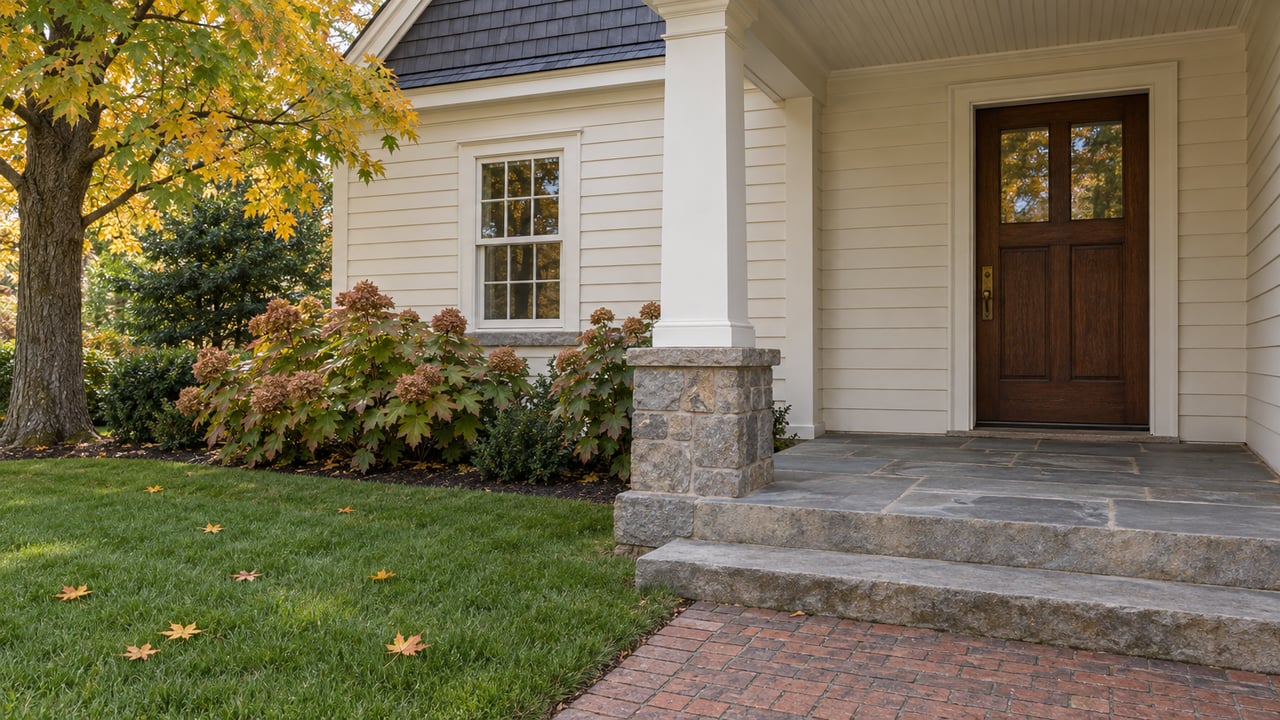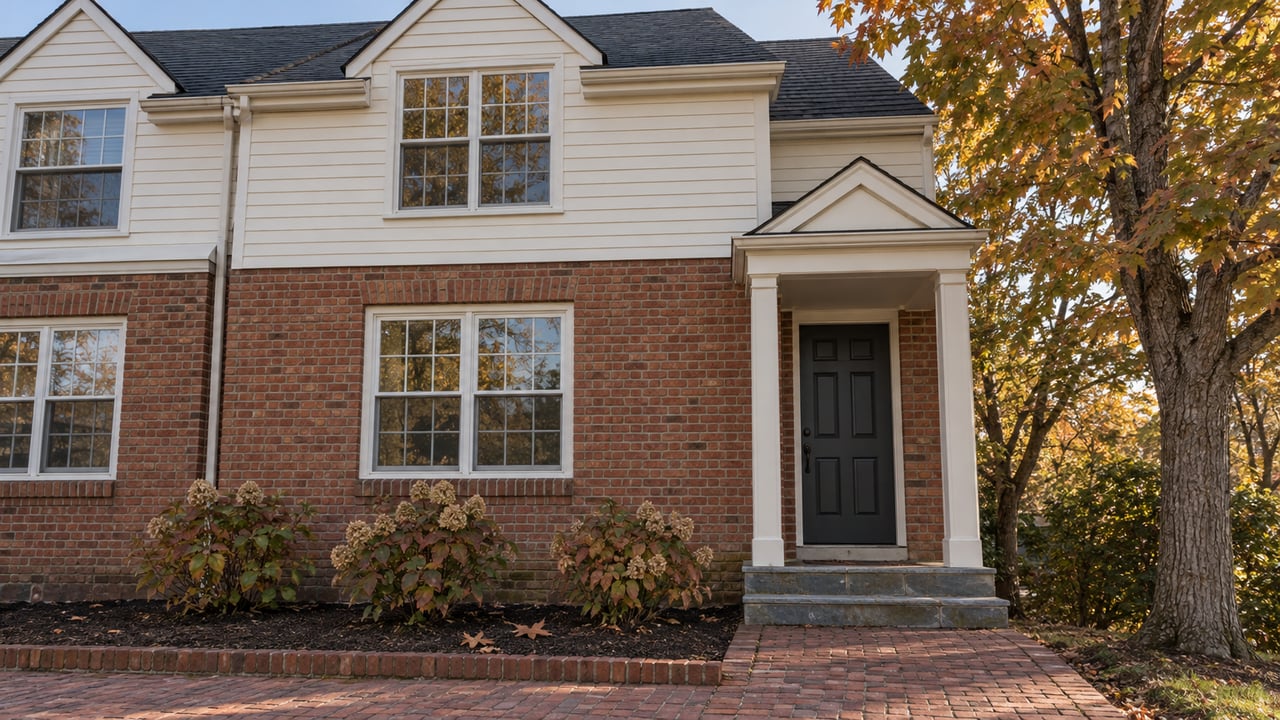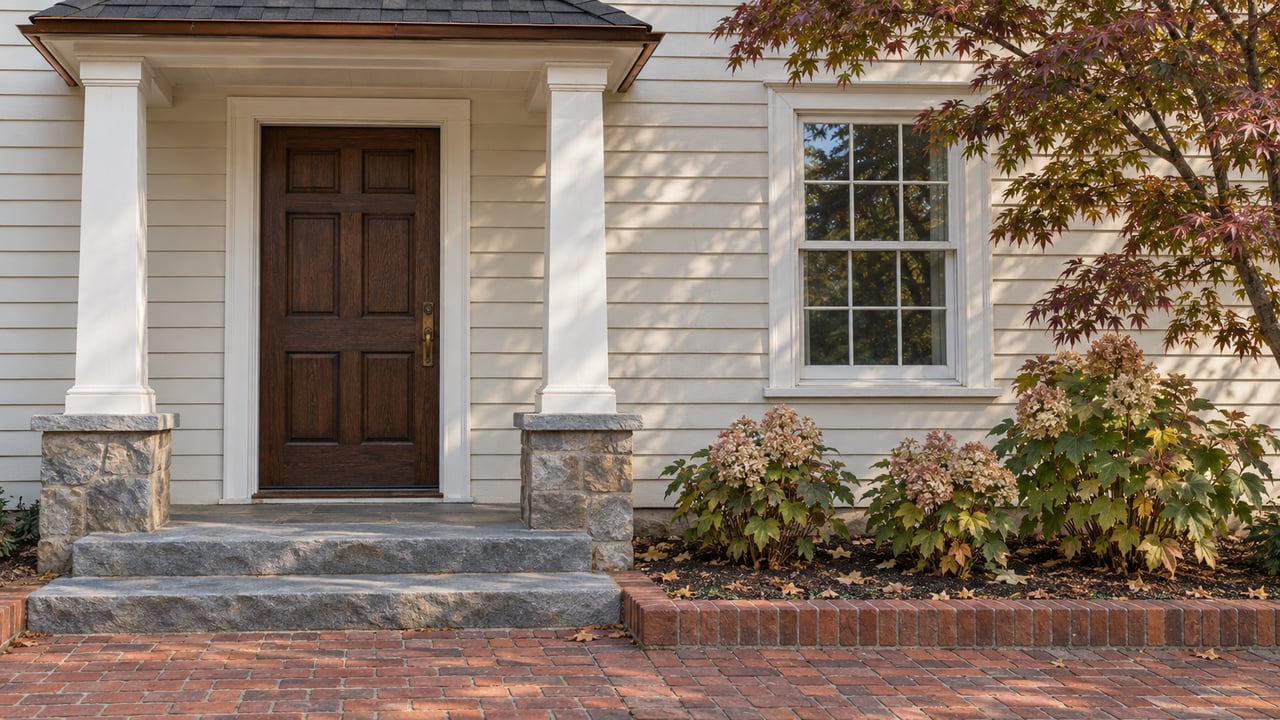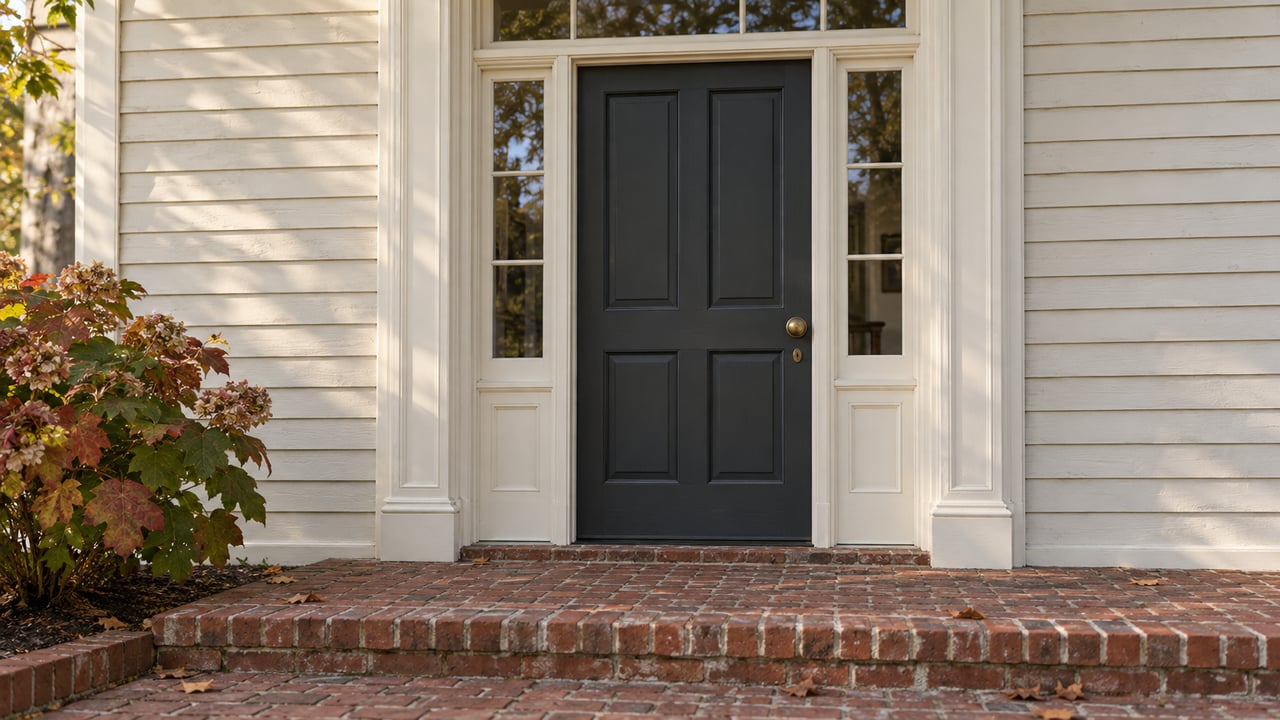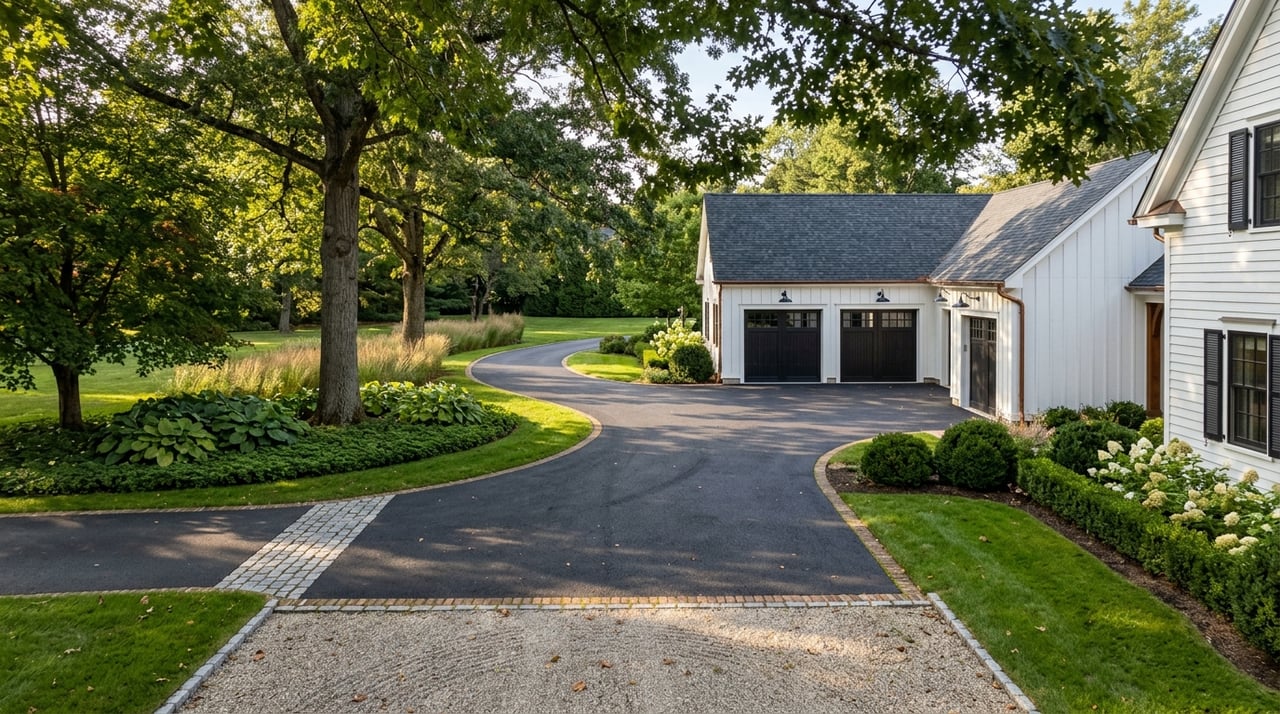
If you are selling a large-lot home in Harding Township, you are not just putting a house on the market. You are presenting land, setting, stewardship, and a very specific kind of property story. Buyers in Harding often look closely at how the home sits on the land, what parts of the acreage are usable, and what township rules may affect future use. This guide will help you understand how to prepare, position, and market your property with more clarity and confidence. Let’s dive in.
Why large-lot sales work differently in Harding
Harding Township is defined by its low-density, rural, and historic character. Local planning documents emphasize open space, water resources, and environmental sensitivity as central parts of the township’s identity. That means your acreage is not just an extra feature. It is one of the main reasons buyers may be interested in your property.
This also means buyers tend to ask more detailed questions than they would in a typical suburban sale. They may want to know how much of the land is usable, whether there are environmental constraints, and how private systems like septic and well service affect the property. In Harding, these questions are part of the normal decision-making process.
The zoning framework adds another layer. In the R-1 zone, the minimum lot size is 3 acres, while the RR zone requires 5 acres. In some cases, development rules also account for wetlands, flood hazard areas, transition areas, easements, and other constraints when evaluating the lot.
Start by preparing the land
When you get ready to sell, it helps to think beyond the house itself. On a large-lot property, the condition and presentation of the land can shape first impressions just as much as the front door. A polished but natural look usually fits Harding best.
That often means mowing consistently, trimming dead limbs, sharpening edges, and improving the view from the road to the home’s approach. At the same time, over-clearing can work against the property. Mature plantings and natural screening often support the rural character that buyers expect in Harding.
Tree work also needs care. Township code creates tree-conservation areas along perimeter lines, including a 50-foot protected strip along road frontages and 25 feet along other property lines. Trees 8 inches or larger generally cannot be removed without a permit unless an exemption applies.
Give the driveway special attention
On many Harding properties, the driveway is part of the experience of the home. A long or winding approach can add privacy and presence, but only if it feels well maintained. Cracked edges, drainage problems, overgrown branches, or worn entry features can make the property feel less cared for than it really is.
Driveways also matter from a compliance standpoint. Harding requires zoning approval for items such as driveways, sheds, pools, generators, fences, and structures outside the existing footprint. The township also requires a driveway before land disturbance, a grading permit before driveway construction, and compliance with township specifications.
One detail sellers sometimes miss is that gravel driveways count as impervious coverage under the township grading-permit materials. That makes it important to avoid assumptions about what is or is not neutral from a site-planning perspective.
Check barns, garages, and other structures
Accessory buildings can add major appeal on a large-lot property. A barn, detached garage, workshop, or pool house may support the estate feel buyers want. Still, these structures should be reviewed for condition, placement, and appearance before the home goes live.
Harding’s zoning code says accessory buildings and structures should be located behind the front facade of the principal building. In the R-1 zone, accessory buildings have a maximum height of 25 feet. If your property includes older estate structures, especially those built before January 1, 1915, or designated historic structures, township review may involve the Historic Preservation Commission for certain demolition, alteration, or relocation applications.
Gather documents before you list
For a large-lot sale in Harding, paperwork is part of the marketing strategy. The more clearly you can document the property, the easier it is for buyers to understand what they are purchasing. Good preparation can also reduce delays once serious interest starts to build.
Useful records may include:
- Survey
- Septic location records or as-built information
- Well-test results
- Septic pump-out receipts
- Prior zoning approvals
- Health department records
- Variance approvals, if applicable
Harding’s construction code requires a location survey with building-permit applications. It also states that no permit for an accessory building, grading, or soil-erosion control may be issued until the Board of Health or its representative approves the location relative to the septic disposal system and reserve area. Even if you are not applying for a new permit before selling, these details often matter to buyers evaluating the property.
Private well and septic details matter
Most properties in Harding are not in a broad sewer-service area. The township’s 2024 master-plan reexamination says the majority of properties rely on individual septic systems. For sellers, that makes septic documentation and site understanding especially important.
Private wells deserve similar attention. The New Jersey Department of Environmental Protection says the Private Well Testing Act requires testing when certain properties with private wells are sold or leased, and both buyer and seller must review the results before closing. Harding’s Health Department also confirms that the township administers septic and well regulations, and septic pump-outs require a township permit obtained through the Health Department.
Show acreage the right way
A large number on the listing sheet can get attention, but it is not enough on its own. In Harding, the strongest marketing usually explains not only the total acreage, but also how the land functions. Buyers want a fuller picture of privacy, layout, constraints, and flexibility.
That is why the most effective acreage story separates total acreage from usable acreage. Depending on the property, wetlands, flood-prone areas, easements, and other restrictions may affect how land is counted or used. In flag-lot situations, the flag-staff portion may also be treated differently in lot calculations.
Use visuals that answer real questions
Aerial photography can be especially helpful in Harding. It gives buyers a better sense of scale, driveway length, building placement, wooded buffers, and the relationship between the home and any outbuildings. On larger parcels, these visuals often communicate more than standard ground-level photos alone.
A survey, tax-map overlay, or annotated aerial can also make your listing more persuasive. Morris County GIS announced a new Tax Map Viewer application and new official county map in January 2026, which can support current parcel verification and boundary checking before marketing diagrams or overlay materials are prepared.
Focus buyer messaging on function
When buyers consider a large-lot home in Harding, they are often asking practical questions behind the scenes. They may be drawn to the beauty of the setting, but they still want to understand how the property works day to day. Your marketing should help answer those questions clearly.
Useful talking points often include:
- Privacy and separation from the road
- Space for outdoor recreation
- Guest parking capacity
- Existing barns, workshops, or detached structures
- Pool potential, where appropriate
- Flexibility within zoning rules
- Septic and well information
- Known wetlands, flood hazard areas, or other constraints
This kind of messaging is usually stronger than broad claims. In Harding, acreage tends to carry the most value when you can show what is protected, what is usable, and what has already been documented or vetted.
Why full-service coordination matters
Selling a large-lot home often involves more moving parts than a typical listing. You may need a landscaper, septic contractor, well tester, surveyor, engineer, photographer, or township-related documentation before the property is truly ready for market. Even small delays can affect timing and presentation.
That is where a high-touch listing approach can make a real difference. Instead of treating the sale like a standard house listing, the right strategy coordinates the property as a whole, from land presentation to document collection to buyer-facing marketing. For estate-scale and complex suburban properties, that kind of planning often helps reduce stress and improve the final result.
If you are preparing to sell in Harding Township, thoughtful positioning can help your property stand out for the right reasons. The goal is not just to show that you have acreage. It is to show how the home and land work together, what has been cared for, and why the property fits this one-of-a-kind market. For personalized guidance, valuation insight, and concierge-level listing support, connect with Margaret "Margy" DeFazio and Denise Flanagan of The DeFazio Flanagan Team.
FAQs
What makes selling a large-lot home in Harding Township different?
- Large-lot sales in Harding often involve more buyer questions about usable acreage, zoning, septic systems, wells, wetlands, and other site constraints because the land is a major part of the property’s value.
What documents should you gather before listing a large-lot Harding property?
- Helpful documents often include a survey, septic records, well-test results, pump-out receipts, and any prior zoning, health, or variance approvals that clarify how the property has been improved or regulated.
Why does usable acreage matter when selling a Harding Township home?
- Usable acreage helps buyers understand how much of the land may realistically support privacy, recreation, parking, or other functions after accounting for wetlands, flood-prone areas, easements, and similar constraints.
Do private well and septic details affect a Harding home sale?
- Yes. Most Harding properties rely on individual septic systems, and certain properties with private wells must meet New Jersey Private Well Testing Act requirements at the time of sale or lease.
How should you prepare the grounds before listing a large-lot home in Harding Township?
- Focus on clean, well-maintained presentation such as mowing, pruning, clearing dead limbs, and improving the approach from the road, while avoiding unnecessary over-clearing that may conflict with the property’s natural setting or township tree rules.
Why are aerial photos useful when marketing a large-lot home in Harding?
- Aerial photos help buyers see scale, privacy, driveway layout, outbuildings, and how the home sits on the land, which can be hard to understand from standard listing photos alone.