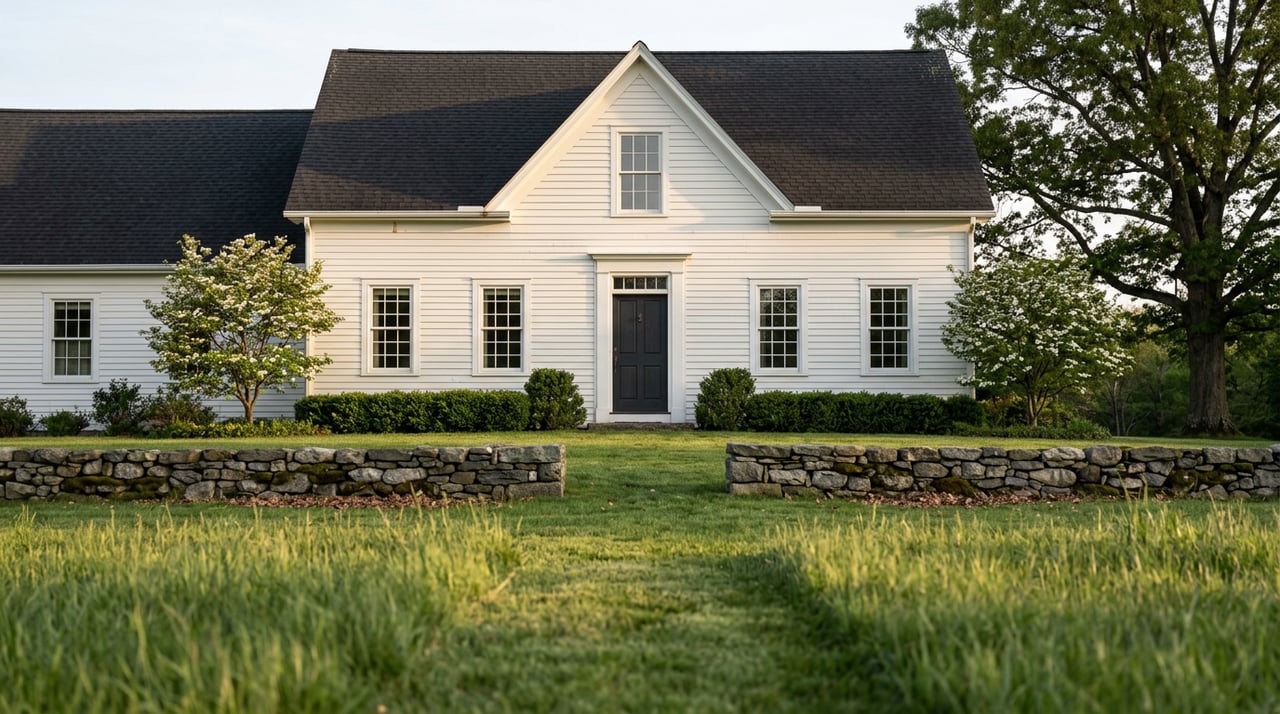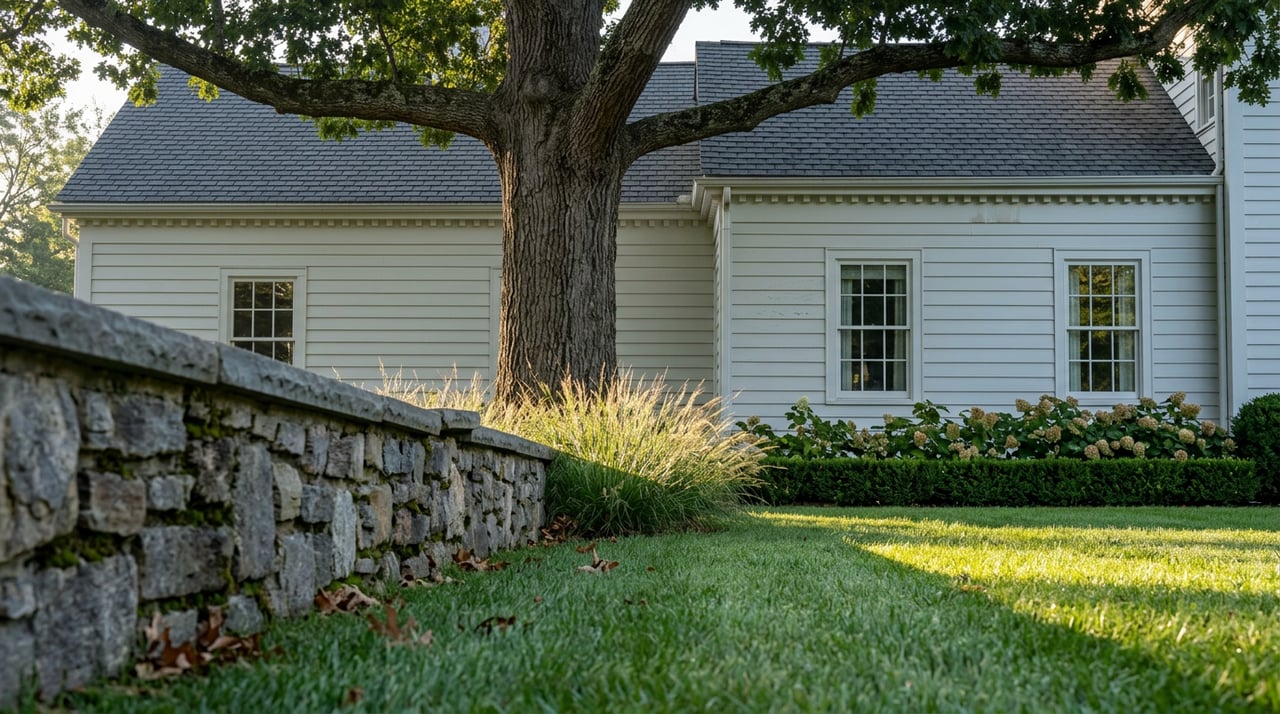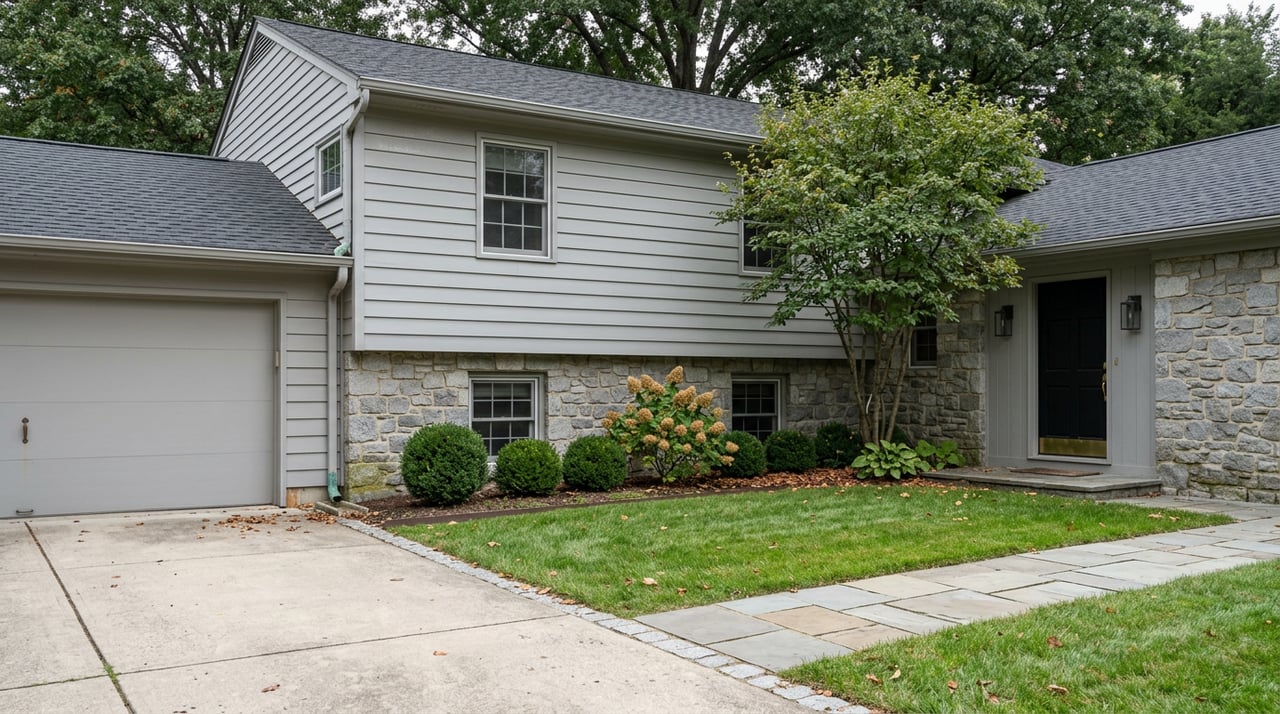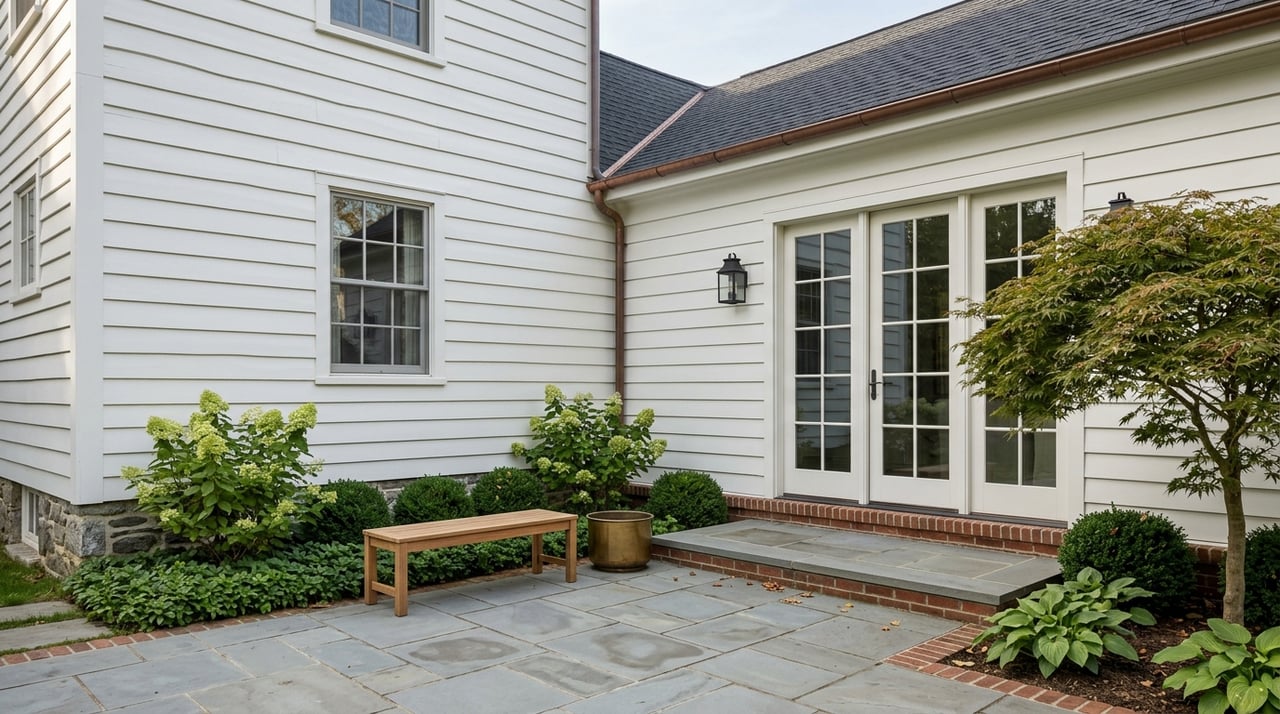
Wondering why one historic home near Morristown Green commands a premium while another with similar square footage lags behind? If you are preparing to sell, the answer usually comes down to more than age or charm alone. In Morristown, pricing a historic home well means balancing location, architectural character, condition, and buyer confidence in the work that has been done over time. Let’s dive in.
Why Historic Homes Price Differently
Historic homes in Morristown are often judged by a different lens than newer construction. The town’s planning documents describe the Green as Morristown’s historic center, with development intensity radiating outward, and they note that downtown includes many 2- to 3-story historic buildings where preservation objectives matter.
That context affects pricing. Near the Green, buyers are often evaluating character, scale, and setting alongside square footage. A home’s façade, original proportions, and relationship to the street can carry real weight in the market.
Morristown’s historic properties handbook also notes that respectful renovation helps maintain established property values. For sellers, that means the market is not just pricing the structure itself. It is also pricing how thoughtfully the home has been cared for.
Morristown Market Context Matters
Current market data places Morristown in a mid-to-upper price band. Realtor.com reported a median listing price of $687,500, and Redfin reported a median sale price of $740,000 in March 2026.
That same reporting described Morristown as a seller’s market during that period. In a market like this, details matter. Small differences in condition, authenticity, and documentation can have an outsized effect on your final list price and buyer response.
Key Price Drivers for Historic Homes
Condition Still Sets the Floor
No matter how beautiful a historic home is, buyers still price in the cost of work that remains. Older homes may have outdated electrical, older plumbing, inefficient insulation, aging foundations, or materials such as lead paint or asbestos.
These issues do not make a home undesirable. They do, however, shape what buyers are willing to pay. If they see deferred maintenance, they will usually translate that into a discount.
This is especially important because older and unique homes can be harder to evaluate using broad pricing formulas. Comparable sales still matter most, but condition adjustments tend to carry more weight when homes are not truly interchangeable.
Original Details Can Support Value
Historic homes attract buyers because they offer something difficult to recreate. In Morristown’s historic district, many homes reflect Victorian-era architecture, and features such as original millwork, porches, façades, and period details often help define the property’s appeal.
When those elements remain intact, they can strengthen pricing. Buyers are often willing to pay more for authenticity and craftsmanship that feel true to the home.
That does not mean every old feature adds value automatically. The strongest pricing usually comes when original details are both preserved and paired with a home that feels functional for modern living.
Documentation Reduces Buyer Uncertainty
For historic homes in Morristown, paperwork matters more than many sellers realize. The town requires review by the Historic Preservation Commission for certain properties in historic zoning districts, historic sites on the zoning or official map, or buildings constructed 50 years before the application.
Morristown also maintains design guidelines for historic properties and has adopted a demolition ordinance intended to protect historic character. That means buyers may look closely at whether changes were handled properly.
If you can show permits, approvals, invoices, and records of preservation-sensitive improvements, you reduce uncertainty. Buyers are often more confident paying a stronger price when they can see a clear, compliant history of work.
Does Historic Status Always Add Value?
Not always. Research on historic designation is mixed, with some studies showing stronger values or appreciation and others showing neutral or mixed results depending on restrictions and local market conditions.
The practical takeaway is simple. Historic status can support value, but it does not override poor condition, weak renovation quality, or overpricing.
In other words, your home’s story matters, but the market still expects evidence. Buyers want charm, but they also want clarity and confidence.
What Buyers Near the Green Expect
Buyers drawn to historic Morristown homes often want a blend of charm and convenience. The town describes downtown as walkable and centered on the Revolutionary-era Green, with the historic train station and Midtown Direct access nearby.
That combination creates a buyer pool that values both place and practicality. Many are not just shopping for architecture. They are also shopping for access, lifestyle, and ease of daily living.
Near the Green, buyers often compare a home against two standards at once. They want historic authenticity, but they also want a home that feels updated, functional, and move-in ready.
That is why two homes with similar size can land at different price points. The one with stronger maintenance, more appropriate updates, and better preserved character often stands apart.
How to Price a Historic Morristown Home Strategically
Start With True Comparable Sales
For a historic listing, pricing by square foot alone can be misleading. The better approach is to start with comparable sales that align as closely as possible on age, style, location, lot size, and condition.
That can be challenging because older homes are often unique. Careful adjustments matter, especially in neighborhoods where no two properties are exactly alike.
Price the Work That Remains
One of the biggest mistakes sellers make is pricing based on emotional value or architectural charm while downplaying needed repairs. Buyers rarely ignore unfinished work.
If your home needs system updates, exterior repairs, or other major improvements, those costs will usually show up in offers. Strategic pricing accounts for that reality up front rather than fighting it later with price reductions.
Let Stewardship Show
Morristown’s preservation guidance makes it clear that respectful renovation plays a role in maintaining value. If you have cared for original details, used appropriate materials, or completed approved work, that should be part of the pricing conversation.
A well-kept historic home tells buyers that they are inheriting something stable, not just beautiful. That confidence can make a meaningful difference in perceived value.
Marketing Choices That Support Pricing
Stage With Restraint
Buyers need to picture themselves in the home without losing sight of what makes it special. According to NAR’s 2025 staging report, 83% of buyers’ agents said staging helps buyers visualize the property as their future home, and 29% said staging increased offered value by 1% to 10%.
For a historic home, the goal is not to cover every room with trend-driven décor. It is to highlight scale, light, trim, and architectural details while keeping the home clean, uncluttered, and easy to understand.
NAR’s report also identified the living room, primary bedroom, and kitchen as the most important spaces to stage. In many historic homes, those rooms do the most work in showing how period charm and current-day function come together.
Highlight What Cannot Be Recreated
Strong marketing should focus on the features buyers cannot easily find elsewhere. That may include original details, documented preservation work, approved alterations, and proximity to Morristown Green and commuter rail access.
This kind of positioning is especially effective in a town where the Green is recognized as the historic heart of the community. It helps buyers understand not just what the home is, but why it stands apart.
Present a Clean Paper Trail
Historic buyers often want reassurance as much as inspiration. When improvements have already been made, organized records can help support the asking price.
That means gathering permits, commission approvals where applicable, contractor invoices, and dates of key system upgrades. A complete story is often more persuasive than a broad claim that the home was “fully updated.”
The Bottom Line on Strategic Pricing
A strong list price for a historic home in Morristown should reflect three things at once. First, the premium that can come from location and character. Second, the discount buyers may apply for remaining condition issues. Third, the confidence created by thoughtful stewardship and clear documentation.
In this market, those factors often matter more than raw square footage alone. When pricing is grounded in true comparables and supported by the right presentation, a historic home can compete from a position of strength.
If you are preparing to sell and want a pricing strategy tailored to your home’s history, condition, and location, connect with Margaret "Margy" DeFazio and Denise Flanagan of The DeFazio Flanagan Team for a personalized valuation and neighborhood consultation.
FAQs
How are historic homes in Morristown priced differently from newer homes?
- Historic homes in Morristown are often priced based on character, location, architectural integrity, condition, and documentation of renovations, not just square footage and layout efficiency.
Does historic designation increase home value in Morristown?
- Not automatically. Research is mixed, and value depends more on local market conditions, property condition, renovation quality, and buyer perception.
What features matter most when pricing a historic home near Morristown Green?
- Buyers and agents usually focus on condition, original architectural details, preservation-sensitive updates, documented approvals, and proximity to downtown amenities and train access.
What should sellers gather before listing a historic Morristown property?
- Sellers should gather permits, renovation records, contractor invoices, approval documents where applicable, and details on system updates to help reduce buyer uncertainty.
Does staging help when selling a historic home in Morristown?
- Yes. Staging can help buyers visualize the home more clearly, and for historic properties it works best when it highlights light, scale, and original details without overwhelming them.