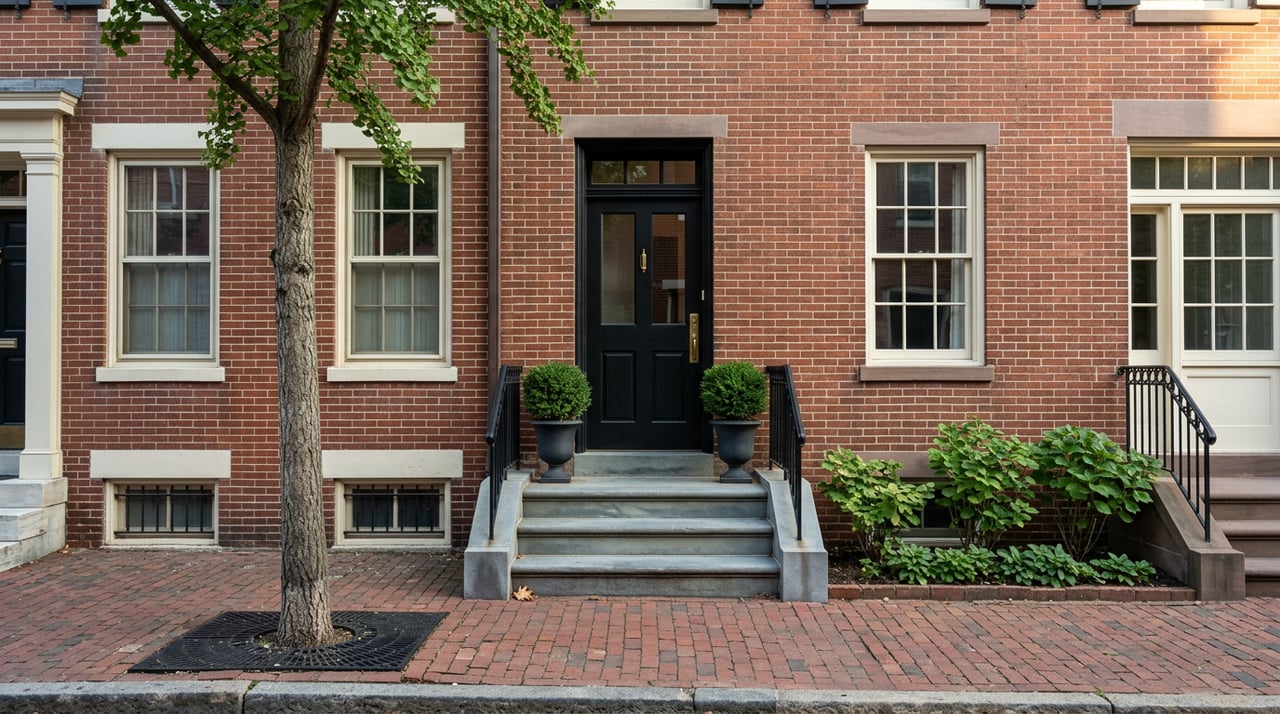
Trying to choose the right home in Morristown’s Historic District can feel exciting and a bit overwhelming. You have character-rich streets, a lively downtown, and several very different housing styles within a few blocks of the Green. You want a place that fits your lifestyle, commute, and budget without surprises on maintenance or rules. This guide breaks down your best options so you can move forward with confidence. Let’s dive in.
Know the Historic District
Morristown’s Main Historic District is listed on the National Register of Historic Places, which recognizes its significant architecture around the Green and nearby residential streets. You can confirm this recognition on the National Park Service’s New Jersey listings page for context on how areas are identified and celebrated (National Park Service overview).
Local rules are what matter for most exterior changes you might plan. Morristown has a Historic Preservation Commission and a Design Review Committee that review many visible exterior alterations in designated areas. Before you budget for window changes, porch work, or additions, check the municipal code and contact the Town’s Construction or Planning office for guidance (Morristown municipal code excerpt).
The four home styles, compared
Below are the core options you will see near the Green and along close-in streets. Each offers a distinct lifestyle, cost profile, and maintenance level.
Downtown condos over retail
These are upper-floor flats above storefronts or nearby mid-rise buildings close to the Green and the station. A signature example is 40 Park on the Green, which helped set the tone for amenitized condo living right in the center (40 Park example).
- Best for: Car-light living, easy walks to restaurants, and quick access to the train.
- Maintenance: Exterior care is handled by the HOA or building management. Expect monthly fees and rules about renovations, parking, and pets.
- Trade-offs: Possible street noise, less control over exterior changes, and limited parking that may be permit-based.
- Typical pricing: Entry condos often start in the low-to-mid $200k to $400k range, most 1–2 bedroom resales fall in the mid-$300k to $700k band, and luxury downtown units often reach $700k and above. Ranges shift by building and finishes.
Brownstone-style townhomes
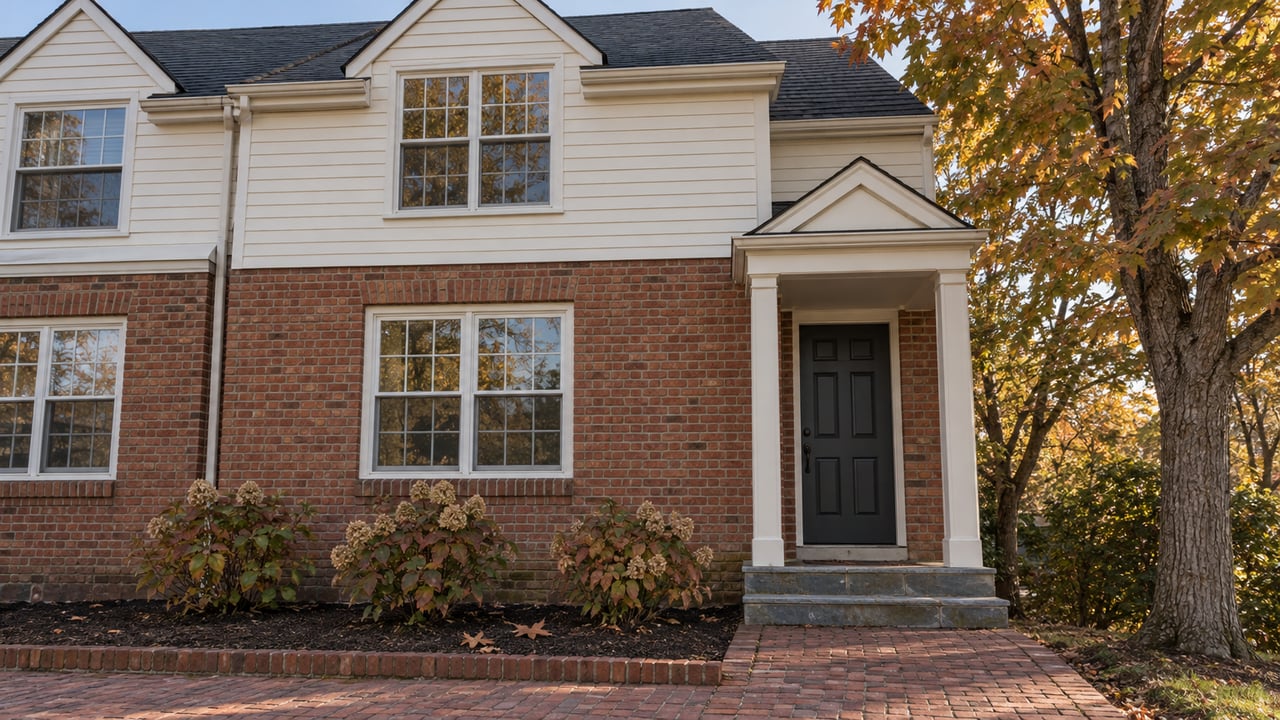
Purpose-built townhome communities and infill brownstone-style rowhomes sit within a short walk or quick drive of the Green. Many offer multi-level living with garages or assigned parking.
- Best for: Buyers who want in-town convenience with more privacy and space for bedrooms, offices, or guests.
- Maintenance: Exterior elements are usually managed by an HOA, but you will maintain interior systems across multiple floors.
- Trade-offs: HOA rules apply. Narrower footprints mean more stairs, which may matter for mobility.
- Typical pricing: Many established townhome communities trade from roughly the mid-$500k to the $900k range. Newer luxury infill can extend to about $1 million to $1.8 million or more, depending on size and finishes.
Converted mansions and grand historic homes
Morristown is known for its historic estates and period architecture. Some landmark properties have been adapted into luxury condominiums, a well-known example being the Vail Mansion conversion into high-end residences (Vail Mansion case study).
- Best for: Buyers who value distinctive architecture, tall ceilings, large rooms, and unique historic character.
- Maintenance: Higher ongoing costs are common for roofing, masonry, and vintage systems. Condo conversions can spread some costs through the HOA, but always review budgets and reserves.
- Trade-offs: Potential for higher taxes and insurance. Exterior work is often subject to historic review.
- Typical pricing: Conversion units commonly start in the high six figures to low seven figures, with many at $900k and above. Whole single-family mansions trade far higher.
Nearby single-family streets
Just beyond the commercial core, you will find a grid of detached homes that include Federal, Victorian, and Colonial Revival styles on streets like Macculloch Avenue, Maple Avenue, and parts of South Street. The historic district itself includes significant single-family stock that reflects these eras (overview of district character).
- Best for: Buyers who want a yard, garage, more flexible layouts, and quieter evenings while staying close to downtown.
- Maintenance: You handle all exterior care, landscaping, and system upgrades typical of older homes.
- Trade-offs: Larger homes mean more upkeep and higher total ownership costs. Review scope for insulation, electrical, HVAC, and window updates.
- Typical pricing: Close-in single-family homes often trade from the mid-$700k range into seven figures for renovated historic properties, with prime locations and large homes considerably higher.
Walkability, errands, and the commute
Morristown’s townwide Walk Score sits in the “somewhat walkable” range, but the blocks immediately around the Green, South Street, Market Street, and Speedwell Avenue feel highly walkable in daily life. Address-level scores near the core often trend much higher, which is why many residents comfortably run errands on foot (Morristown Walk Score).
For commuting, Morristown Station on NJ Transit’s Morris & Essex corridor offers Midtown Direct service to New York Penn Station. Typical train times to Midtown often fall in the 50 to 75 minute range depending on the train. Use the NJ Transit station page to review current schedules, parking details, and trip planning before you buy (NJ Transit Morristown Station).
Pricing context at a glance
Recent snapshots show Morristown’s overall median sale price hovering in the upper six figures, with many periods reporting medians near the low-to-mid $800k range. Expect building- and block-level variation, seasonal shifts, and a premium for renovated homes close to the Green. Pricing by home type commonly falls into these representative bands:
- Downtown condos: about $250k to $700k and higher for new or luxury units.
- Brownstone-style townhomes: roughly mid-$500k to $900k, with luxury communities near $1 million to $1.8 million or more.
- Converted mansion condos: often $900k and above, with standout properties higher.
- Close-in single-family homes: often mid-$700k to well over $1 million when updated.
Always confirm current comparables and days on market for your target block or building.
Total ownership checklist
Historic charm comes with specific costs and rules. Before you decide, walk through these items with your agent and inspector.
- Exterior and systems: Older masonry, slate roofs, and vintage electrical or HVAC require specialized care and budgeting. A preservation-savvy inspector is a smart move (Preservation New Jersey guidance).
- HOA and condo fees: Review budgets, reserves, parking policies, and any special assessments. For historic conversions, ask how the association plans for long-term exterior work.
- Property taxes: Morris County property taxes are a meaningful monthly line item. Model your carrying costs with a reliable calculator and current local rates (Morris County tax calculator).
- Permits and approvals: In designated areas, many visible exterior projects need historic review. Confirm requirements before you close or start work (municipal code reference).
How to choose your fit
Use this quick framework to match your lifestyle with the right home type:
- If you crave maximum walkability and a simple lock-and-leave setup, consider a downtown condo near the Green.
- If you want space for bedrooms or a home office plus in-town convenience, explore brownstone-style townhomes with garages.
- If you collect design books and want a conversation-piece residence, look at converted mansions and grand historic homes.
- If you value a yard, flexible layouts, and quieter evenings, focus on close-in single-family streets.
Ready to compare specific blocks and buildings?
You do not have to figure this out alone. A block-by-block plan with real sold comps, HOA details, and renovation guidance can save you time and stress. For a tailored strategy and private tour of your best-fit options, reach out to Margy DeFazio and Denise Flanagan of The DeFazio Flanagan Team.
FAQs
What makes Morristown’s Historic District special?
- It gathers Federal, Victorian, and early 20th-century architecture around the Green and nearby streets, recognized by the National Register of Historic Places (NPS overview).
How strict are renovation rules in Morristown’s historic areas?
- Many street-visible exterior changes require review by the Historic Preservation Commission. Check the municipal code and confirm requirements before planning work (municipal code reference).
Is downtown Morristown walkable for daily errands?
- Yes. While the town average is “somewhat walkable,” address-level scores near the Green are often much higher, making daily errands easy on foot (Walk Score detail).
What are typical prices by home type near the Green?
- Representative ranges: condos about $250k to $700k+, brownstone-style townhomes mid-$500k to $900k with luxury to $1.8M+, converted mansion condos often $900k+, close-in single-family homes mid-$700k to $1M+.
How long is the NJ Transit commute to Midtown?
- Many Morristown trains to New York Penn take about 50 to 75 minutes. Check the NJ Transit trip planner for your target time window (Morristown Station).