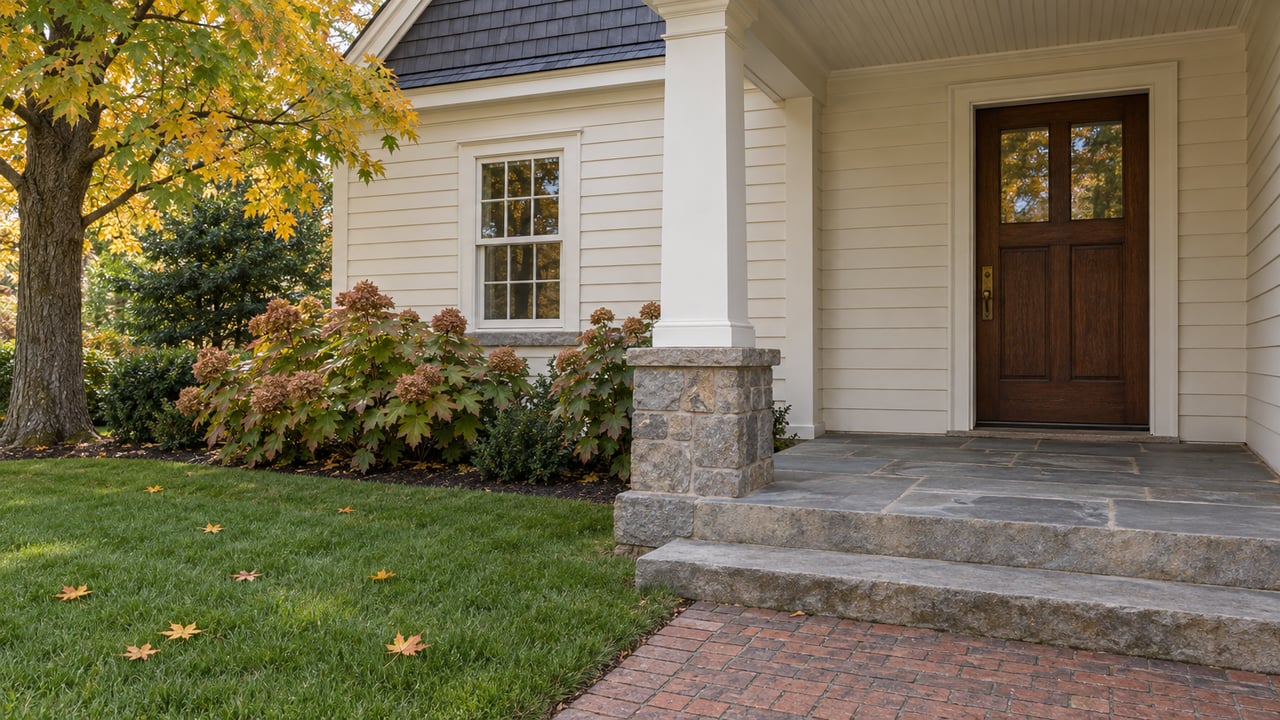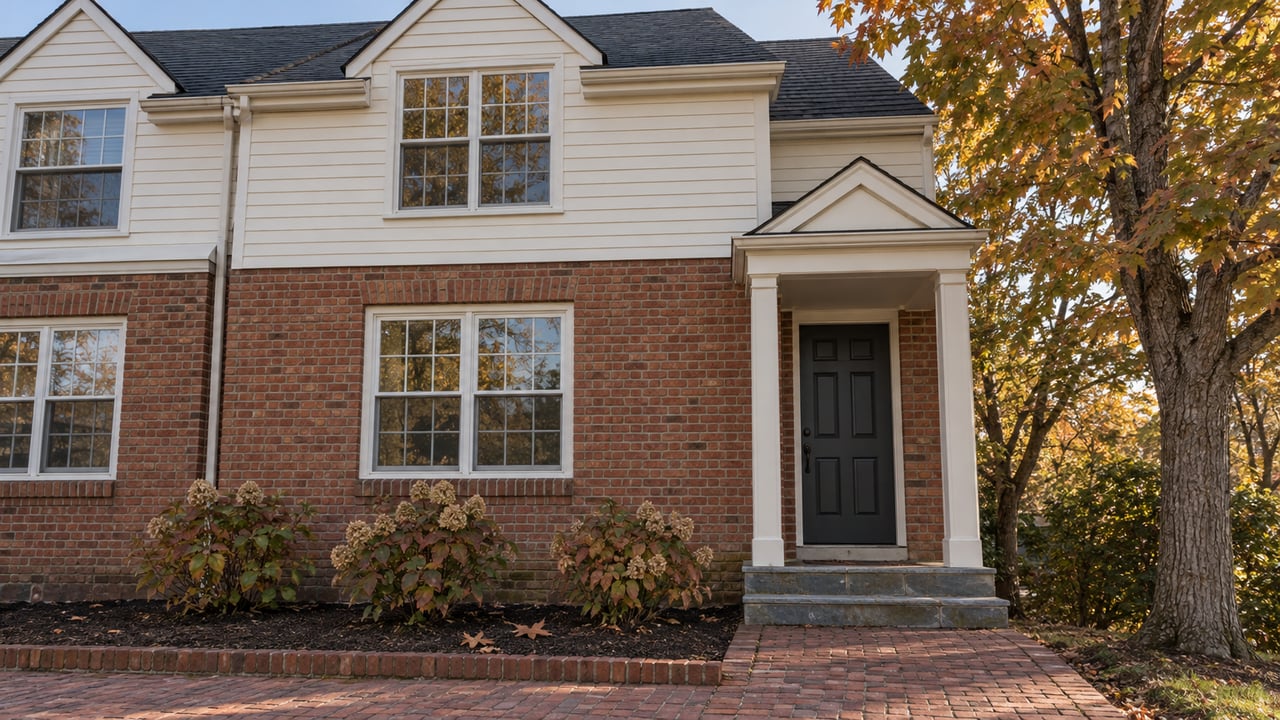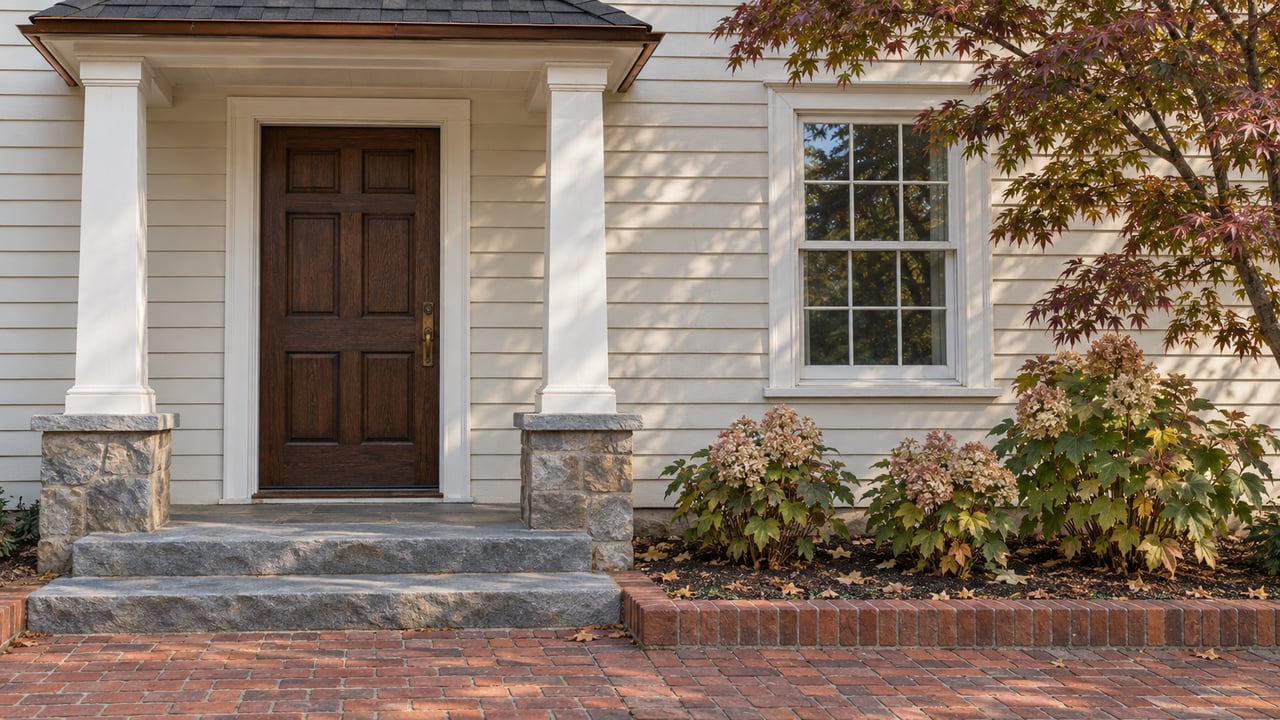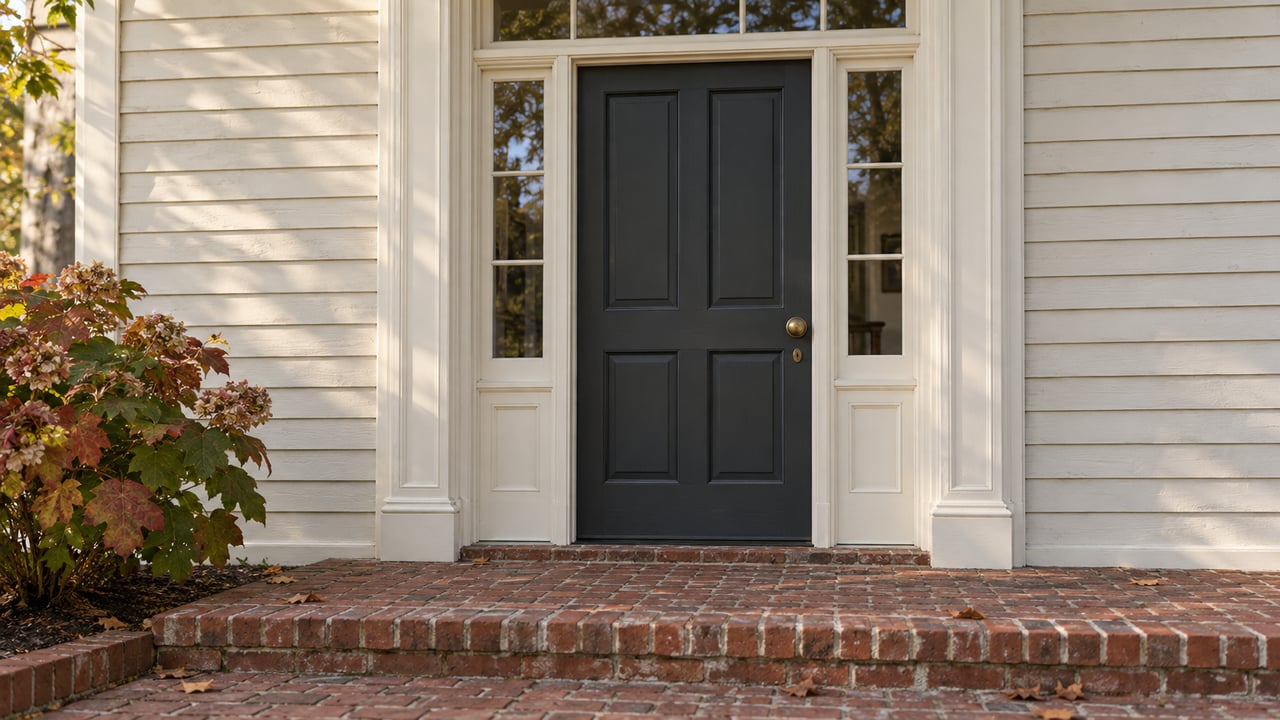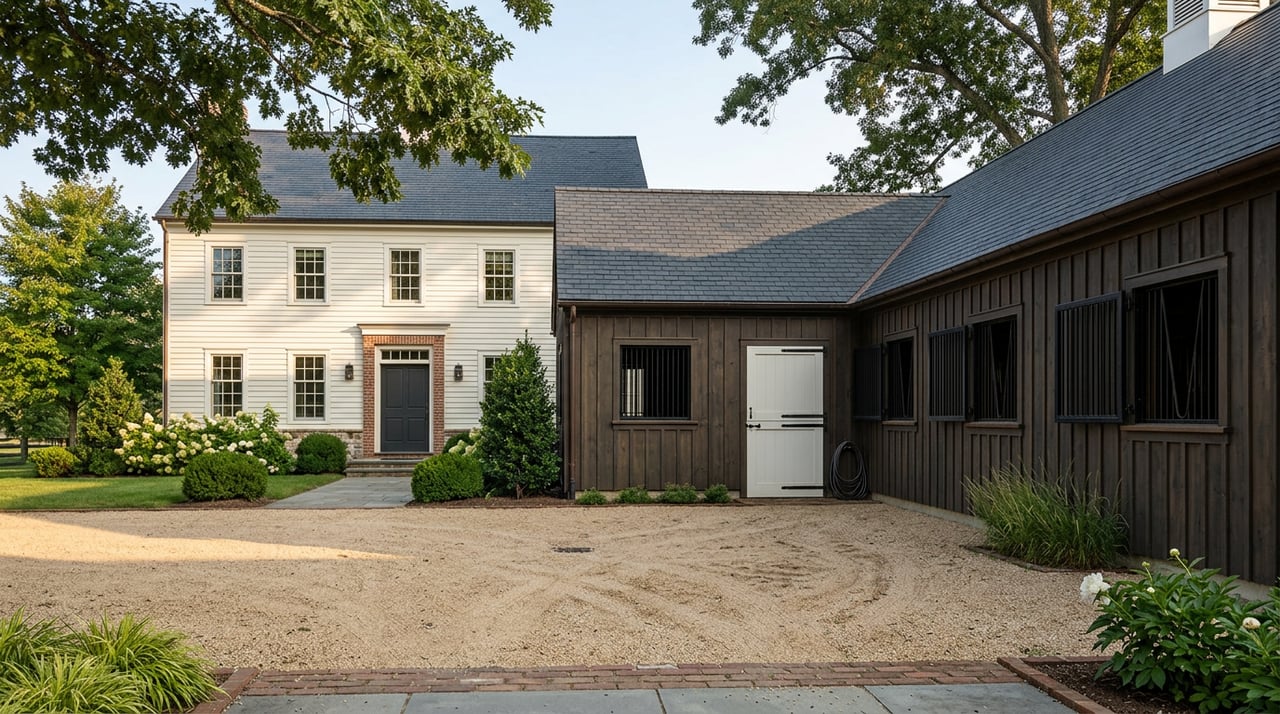
Picture this: morning light across fenced paddocks, a short hack to quiet bridle trails, and evenings on a porch that looks out over conserved land. If you are drawn to horses and privacy, Harding Township offers a rare mix of rural calm and refined estate living. In this guide, you will learn what makes Harding’s equestrian lifestyle special, how the bridle trail system works, which zoning rules matter, and what a typical horse property includes. Let’s dive in.
Why Harding stands out
Harding Township is defined by open space. Large preserved tracts like the Great Swamp National Wildlife Refuge and county parklands create a buffer of nature around many neighborhoods, shaping the area’s rural feel and privacy. The Township’s Open Space & Recreation Plan highlights how these holdings anchor Harding’s character and daily life for residents who value nature and quiet surroundings. You can see this focus in the Township’s planning documents on the Open Space & Recreation Plan.
Local land stewardship is strong too. The Harding Land Trust protects key properties and holds bridle path easements that support scenic riding access and views. Learn more about the Trust’s role and trail parcels on the Harding Land Trust bridle paths page.
Bridle trails and riding culture
Harding’s bridle network is historic, active, and community supported. Trails link New Vernon and Green Village to nearby open space. They are maintained by volunteers through the Harding Township and Green Village Bridle Path Association. The Association notes that most trails are on private land and are reserved for equestrian use, with access by permission or easement rather than general public right of way. Review the current guidance on the Bridle Path Association site.
You will also find a local calendar that can include informal hacks, hunter paces, and seasonal shows. Township planning documents reference community equestrian nodes, including long-used showfields, which help keep Harding’s riding culture visible and vibrant. See community context in the Township’s Open Space & Recreation Plan.
Zoning basics for horse owners
Harding’s zoning is designed to protect low density and open space. For horse buyers, lot size and use rules shape what you can build and how you can operate.
- R-1 Residence Zone: minimum lot size is three acres. Farming and stables are permitted uses, and boarding stables for horses are allowed on lots of 10 acres or more. Bulk standards such as building area limits, setbacks, and frontage requirements keep properties estate scale. See the R-1 rules on eCode360.
- RR Rural Residential Zone: minimum lot size is five acres. RR functions as a rural estate category and mirrors many R-1 standards, with lot-averaging tools that help preserve open space. Review RR details on eCode360.
- R-2 Residence Zone: minimum lot size is 30,000 square feet. Equestrian uses are less common here unless a parcel is large or has special approvals. See R-2 bulk rules on eCode360.
Barns, arenas, and heights
Barns and farm outbuildings can be permitted as accessory uses in the R-1 and RR districts. When barns are used for agricultural or equestrian purposes, the code provides specific height allowances and placement rules. Because exact limits depend on your lot and use, confirm the details with the Township building department. You can review accessory-use provisions in the Township code on eLaws.
Accessory residences
If you want on-site help, multigenerational living, or a trainer residence, look at the accessory residence provisions. The R-1 article outlines conditional accessory residence rules on larger parcels, including thresholds for lots of six acres or more and separate standards for affordable accessory residences. Start with the R-1 section on eCode360 and verify lot size and conditions for your parcel.
What a Harding horse property includes
You will see a few common layouts in Harding. Each setup reflects the lot’s size, zoning rules, and the owner’s riding program.
- Hobby parcel on 3 to 5 acres. Expect a small barn or run-in, 2 to 4 stalls, subdivided paddocks with a sacrifice area, hay and equipment storage, and a modest outdoor ring or half arena. On a 3-acre R-1 lot, building-area caps and setbacks often pull structures toward the center of the property, which creates privacy and reduces neighbor impact. Refer to the R-1 bulk standards on eCode360 when planning layout.
- Small commercial or full-service property on 10 or more acres. These sites often include a larger barn with 6 to 12 or more stalls, multiple turnout paddocks, hay and equipment zones, a full outdoor arena, and sometimes an indoor. Because boarding stables are permitted in R-1 at 10 acres or more, many paid boarding or training operations sit on larger parcels in practice. Review the boarding provisions in R-1 on eCode360.
Environmental and operational notes
Harding’s conservation mindset shows up in daily operations. Pasture rotation, stocking rates, and manure management support land health and good neighbor relations. When you plan any improvements, consider stormwater controls, setbacks from wetlands, and tree-conservation buffers. Properties near the Great Swamp or in mapped watersheds may have added review steps. The Township’s Open Space & Recreation Plan outlines the environmental framework that guides these reviews.
Taxes and farmland assessment
Some owners explore New Jersey’s Farmland Assessment to reduce property taxes when land is actively devoted to qualifying agricultural or horticultural use. For equine properties, boarding and training can count only under specific conditions, including contiguity and income thresholds. The state’s overview explains eligibility, acreage rules, and how imputed income may apply. Read the NJ Farmland Assessment overview and review your plan with your tax advisor and the local assessor.
Daily life and community feel
Life with horses in Harding balances privacy and community. Large lots and deep setbacks provide quiet, while conserved open space and trail easements preserve view sheds and riding access. The result is a retreat-like feel that many buyers want.
Day to day, you will handle turnout, feeding, stall care, and equipment upkeep. Winters require paddock mud control and ring maintenance. If you commute or travel, many owners pair on-site help, a part-board arrangement, or an accessory residence to share care.
On weekends, you can join volunteer trail days, local fun shows, or hunter paces. These events create easy ways to connect with other riders while keeping your home life peaceful.
Where to board, learn, and ride nearby
The area supports a mix of private stables, schooling barns, and regional riding centers. The Bridle Path Association lists local sponsors and barns, which can include examples like Crewe Hill Stable, The Farm at Green Village, and Logan’s Brook Equine Center. Availability changes often, so contact barns directly for current lesson and board options. Browse the regional snapshot on the Bridle Path Association site.
Buyer checklist for Harding horse properties
Use this quick list as you evaluate a specific address.
- Zoning district and lot size. Confirm whether the parcel is R-1, RR, or R-2, and review minimum lot size, building-area caps, and setback rules. Start with the R-1 district on eCode360 and RR on eCode360.
- Boarding or training plans. If you expect to take boarders or run a training program, verify acreage thresholds and whether approvals are needed. The R-1 article outlines boarding stables at 10 acres or more on eCode360.
- Barns and accessory uses. Check accessory-structure heights and placement, then confirm with the building department. See accessory-use provisions on eLaws.
- Trail access status. Ask whether nearby bridle trails are by deeded easement or permissive access. Many Harding trails cross private land and are reserved for equestrian use as described by the Bridle Path Association.
- Hydrology and wetlands. Review whether pastures, barns, or planned rings touch mapped floodplains, wetlands, or steep slopes that may affect permits. See the Township’s environmental context in the Open Space & Recreation Plan.
- Farmland assessment potential. If you plan to claim agricultural classification, review the state’s acreage and income rules for equine operations in the NJ Farmland Assessment overview.
Ready to explore properties
Harding’s equestrian estates offer a rare blend of trail access, privacy, and timeless curb appeal. If you want a clear plan for zoning, layout, and value, connect with local experts who know the micro-markets and the nuances of horse properties. Reach out to Margy DeFazio and Denise Flanagan of The DeFazio Flanagan Team for a private consultation and a tailored tour of Harding and nearby towns.
FAQs
How do Harding bridle trails work for new residents
- Most Harding bridle trails cross private land and are reserved for equestrian use, with access by permission or easement as outlined by the Bridle Path Association.
What lot size do I need for horses in Harding
- In R-1 the minimum lot size is three acres with stables permitted, and boarding stables are allowed on lots of 10 acres or more; RR requires five acres, while R-2 is smaller and less typical for equestrian uses per eCode360.
Can I build a new barn or arena on my Harding property
- Barns are accessory uses in R-1 and RR with specific height and placement rules; always confirm exact standards and permits with the Township using the code on eLaws.
What is the farmland assessment rule for horse properties in NJ
- New Jersey allows farmland assessment when land meets agricultural use and income thresholds; equine boarding or training can qualify only under specific conditions detailed in the NJ Farmland Assessment overview.
Where can I find local riding lessons near Harding
- The regional ecosystem includes private stables and centers listed by the community’s Bridle Path Association; contact barns directly to confirm current lesson and board availability.