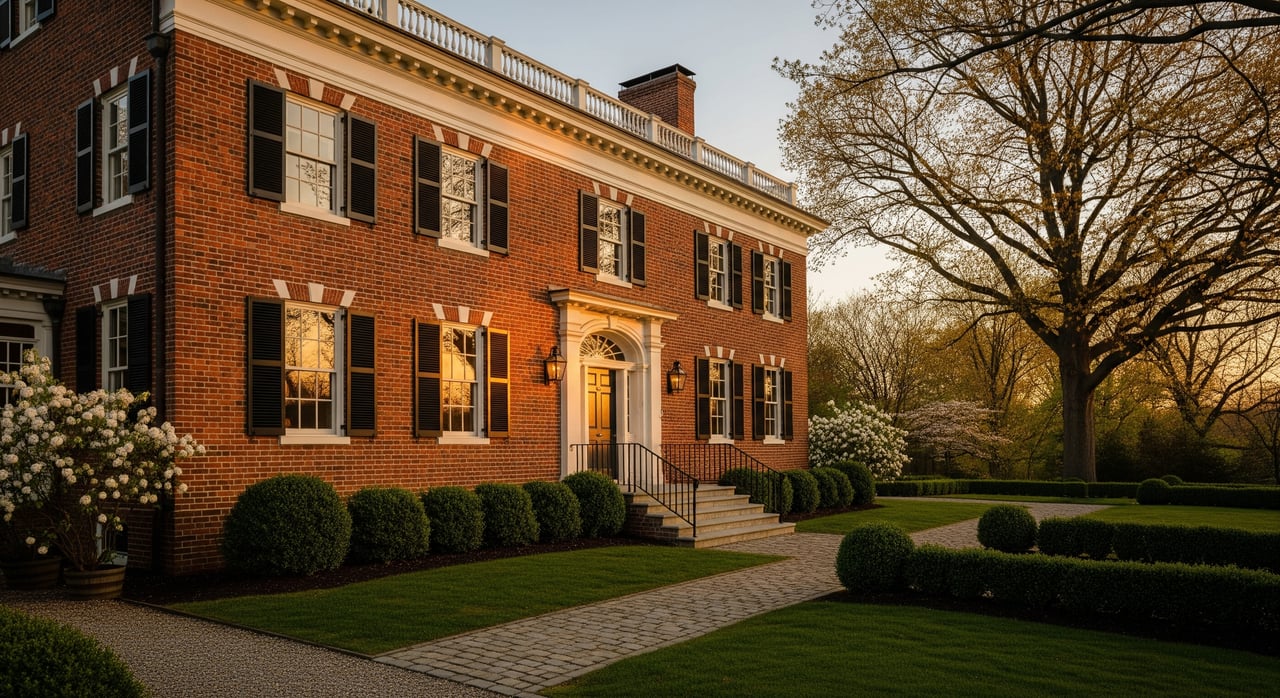
Thinking about a stately Victorian near the Green or a prewar classic on a tree-lined Morristown street? Buying a historic home here can be deeply rewarding, but it comes with its own rules and rhythms. You want character and craftsmanship without surprises. In this guide, you’ll learn how Morristown’s historic designations work, when you need a Certificate of Appropriateness, what to expect during renovations, and how to plan financing and due diligence. Let’s dive in.
Historic designations in Morristown
Morristown includes local historic districts, locally designated landmarks, and properties listed on the National Register and New Jersey Register. Each type matters in a different way.
- Local historic district or landmark. Created under Morristown’s ordinance and overseen by the town’s Historic Preservation Commission. Local designation usually brings review of exterior work visible from the street.
- National Register of Historic Places. Federal recognition of significance. Listing alone does not restrict private owners unless federal permits or funding are involved. It can open the door to certain incentives for income-producing properties.
- New Jersey Register. State-level recognition similar to the National Register, with limited regulatory effect unless state actions are involved.
The key takeaway: local designation is what typically triggers regulatory review. National or state listing is recognition and may make incentives possible, but it rarely limits what you can do as a private owner without government involvement.
When a Certificate of Appropriateness is required
If your property is in a local historic district or is a local landmark, you may need a Certificate of Appropriateness before you start exterior work.
Typical projects that need approval include:
- Demolition or partial demolition.
- New construction or additions.
- Changes to roofs, facades, porches, windows, doors, and exterior materials.
- Site features visible from the street, such as fencing, driveways, or significant landscaping changes.
- Signage or rooftop equipment, depending on the ordinance.
Projects that are often outside COA review:
- Interior changes not visible from the public right-of-way.
- Exterior work not visible from the street, though rules vary by property and should be confirmed with the town.
Practical examples:
- Rebuilding a front porch that faces the street will likely require a COA.
- Upgrading a kitchen inside the home generally does not trigger historic review.
- Replacing visible windows or a slate roof usually requires review to confirm appropriate materials and profiles.
How the COA process works
Local processes vary, but you can expect a few common steps.
- Pre-application conversation. Speak with the Historic Preservation Commission staff or the Building and Planning Department early to confirm what needs review and how to prepare.
- Submit a complete application. This typically includes the application form, current photos, scaled drawings or plans, material samples or specifications, and your professional team’s contact information.
- HPC review. Small projects may be handled administratively. Larger ones, such as additions or demolitions, typically go to a public hearing.
- Decision and conditions. The town may approve, approve with conditions, or deny. Approvals often carry conditions, such as using a specific material or profile.
- Timing. Plan for several weeks to a few months, depending on complexity and meeting schedules.
Also consider other approvals. You may need building permits, zoning approvals, or coordination with utilities or county and state agencies. The municipal code outlines enforcement that can include fines, stop-work orders, and restoration of unauthorized changes.
Renovation and maintenance realities
Historic homes often use materials and systems that require specialized care. Planning for those needs will protect both your budget and the home’s character.
Common features to evaluate:
- Masonry foundations, chimneys, and mortar that may need repointing.
- Wood-frame construction, original windows and doors, and plaster walls.
- Slate or wood-shingle roofs and historic millwork.
- Older electrical and plumbing systems, sometimes including knob-and-tube wiring.
- Lead paint or asbestos in older finishes.
Typical repairs and upgrades:
- Repair in kind where possible to retain original fabric. Replace only when needed, and match historic materials and profiles.
- Window solutions such as restoring original sashes or using sympathetic storm windows.
- Insulation and air sealing with strategies that manage moisture, like attic insulation and careful wall work.
- HVAC and electrical upgrades routed sensitively to avoid damaging historic materials.
- Kitchen and bath updates placed thoughtfully so the historic layout and details remain legible.
Cost and contingencies:
- Historic materials and skilled trades can cost more than conventional approaches.
- Include a 10 to 25 percent contingency for hidden conditions such as concealed rot, structural issues, or hazardous materials.
- Long-term value often includes lasting character and strong resale interest in desirable historic neighborhoods.
Smart, preservation-friendly improvements
Modern comfort and historic character can coexist with the right plan.
- Prioritize roof, drainage, and envelope health before finishes.
- Use reversible or minimally invasive methods when possible.
- Improve energy performance with targeted air sealing, attic insulation, and mechanical efficiency, customized to your home’s construction.
- Document conditions with photos and notes before any work begins. This helps during review and protects against future questions.
Who you need on your team
Having the right experts reduces risk and speeds approvals.
- Real estate agent with local historic property experience.
- Preservation architect or consultant to shape scope, prepare COA materials, and align details with guidelines.
- Contractors experienced with historic materials, such as slate roofing, masonry repointing, and wood sash restoration.
- Specialty inspectors for lead paint or asbestos when older finishes are present.
- Lender experienced with renovation financing and historic underwriting.
- Preservation contacts including the Morristown Historic Preservation Commission staff, the New Jersey Historic Preservation Office, and the New Jersey Historic Trust for program information.
Financing and incentives to consider
You have several paths to fund acquisition and improvements. Program details change over time, so confirm current terms with lenders and agencies.
Financing options commonly used by historic-home buyers:
- FHA 203(k) Rehabilitation Loan. Combines purchase and renovation financing for an owner-occupied home. Requires HUD-approved consultants and adherence to FHA standards.
- Fannie Mae HomeStyle Renovation Mortgage. A conventional option that rolls renovation costs into your mortgage for owner-occupied and second homes, if the lender accepts the project scope.
- Construction-to-permanent loans for larger additions or phased projects.
- Home equity, cash-out refinance, or HELOC if you prefer to fund upgrades outside the primary mortgage.
Tax credits and grants:
- The Federal Historic Rehabilitation Tax Credit of 20 percent applies to certified rehabilitations of income-producing historic properties. It does not apply to typical owner-occupied primary residences.
- State or local grants and low-interest loans may be available through entities such as the New Jersey Historic Trust. Availability and eligibility shift, and programs are often competitive.
- Some municipalities or counties offer limited support or technical assistance. Check current offerings at the municipal and county level.
Lender notes for historic properties:
- Lenders often require detailed plans, licensed contractors, and proof of compliance with local rules, including the COA and building permits.
- Appraisals may need an experienced eye to reflect historic character and location value.
Due diligence roadmap for buyers
A disciplined process will save you time and money.
Pre-offer steps:
- Confirm whether the property sits in a local historic district or is a local landmark.
- Request the seller’s COA history, building permits, and contractor records.
- Order a home inspection by a firm experienced with older homes, with extra attention to roofing, foundation, chimneys, drainage, and any prior incompatible alterations.
- Arrange hazardous materials testing when appropriate.
- Review deed restrictions, easements, or preservation agreements that may affect your plans.
- Check floodplain and environmental constraints for the lot.
During the contract period:
- Engage a preservation architect or experienced contractor to create a preliminary scope and estimates that align with likely COA needs.
- Contact HPC staff for clarity on what requires review and typical timelines.
- Secure lender pre-approval for purchase plus renovation if needed, and confirm the right loan product.
- Verify insurance availability and any required upgrades, such as roof or electrical work.
At closing and after:
- Ensure COA conditions are documented and understood. If prior work lacks approvals, determine any corrective steps before closing.
- Build a 1 to 5 year maintenance plan with prioritized projects and budgets.
Common pitfalls to avoid
- Starting exterior work before you confirm COA requirements.
- Replacing historic windows or doors without exploring repair options that may perform well and preserve character.
- Using modern materials or methods that trap moisture in older assemblies.
- Underestimating the timeline for reviews, permits, and specialized trades.
How we help buyers in Morristown
You deserve a smooth process and a home you love. Our boutique, hands-on team guides you from discovery through closing and beyond.
- We help confirm historic status, gather COA histories, and introduce trusted preservation architects and contractors.
- We coordinate lender conversations early so your financing aligns with your renovation plan.
- We map a phased approach to improvements that balances comfort, budget, and historic character.
When you are ready to explore Morristown’s historic homes, connect with Margy DeFazio and Denise Flanagan of The DeFazio Flanagan Team for a local, concierge experience tailored to your goals.
FAQs
What does “historic” mean for a Morristown home I want to buy?
- In Morristown, local historic districts and landmarks bring municipal review for exterior work visible from the street, while National and New Jersey Register listings recognize significance and may open incentives but rarely restrict private owners.
When do I need a Certificate of Appropriateness in Morristown?
- You typically need a COA for exterior changes like additions, porch or roof work, visible window or door replacements, site changes, and demolition on locally designated properties.
Can I renovate the interior of a Morristown historic home without approvals?
- Interior changes are generally outside historic review, but verify with the town if any work affects exterior appearance or requires building permits.
Are there tax credits for owner-occupied historic homes in Morristown?
- The federal 20 percent tax credit applies to income-producing historic properties, not typical owner-occupied homes; check state and local programs for potential grants or loans that may change over time.
What financing works best if I plan renovations on a historic home?
- Many buyers use FHA 203(k), Fannie Mae HomeStyle, construction-to-permanent loans, or home equity options, paired with detailed plans and contractors acceptable to the lender.
How long does historic review usually take in Morristown?
- Expect several weeks to a few months, depending on scope, required hearings, and schedules; complex projects like additions or demolition usually take longer.